

KEY POINTS
- Explore Zimbabwe’s pivotal education reforms and achievements in 2024.
- Discover milestones shaping the future of education amidst challenges.
- Learn how Zimbabwe’s innovations are fostering equitable learning opportunities.
Education sector in Zimbabwe hit new milestones in the fourth year of the year 2024 despite economic and environmental challenges.
For over the years, the nation had experienced the transient nature of reforms in curriculum, embracing of ICT and improved inclusiveness for a brighter future.
Here, we look at the seven achievements that marked Zimbabwe’s education journey, starting from the critical successes that need to be realized.
1. Heritage-Based Education Curriculum Reform (Zimbabwe)
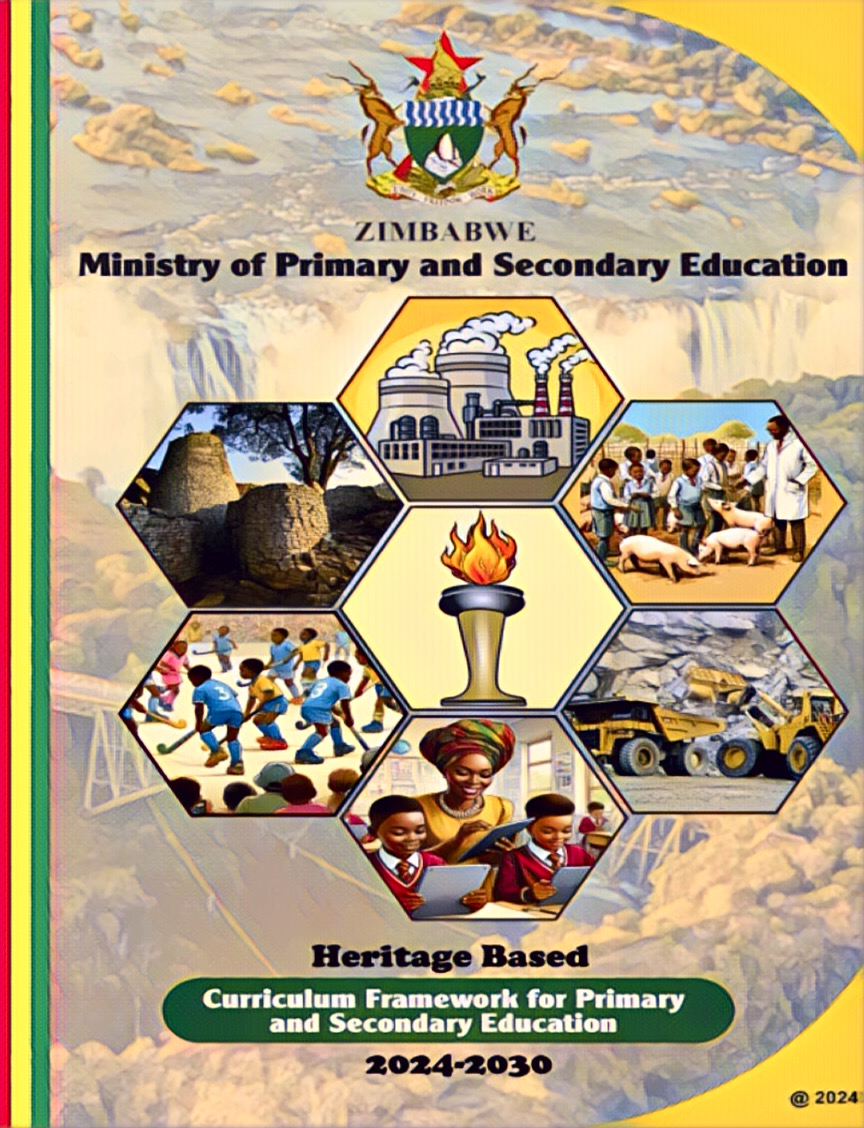
In 2024, Zimbabwe embarked on a transformative journey in its education sector by introducing the Heritage-Based Education Curriculum Framework for 2024-2030.
This initiative seeks to promote the production of citizens ready with adequate skills, applied knowledge, values and dispositions for macro development starting with the immediate community.
The Heritage-Based Education Curriculum emphasizes the Zimbabwean philosophical orientation of Unhu/Ubuntu/Vumunhu, fostering a sense of identity and cultural pride among learners.
Heritage adopted as a knowledge base for learning has been incorporated with technology making students fit better in today’s world.
The curriculum
The curriculum will be implemented from Early Childhood Development (ECD) up to the Upper Secondary School level, providing a comprehensive and cohesive educational experience.
A significant feature of this curriculum is the introduction of two distinct pathways for secondary school learners: The academic way and the skills for work way:
It entails that each learner seizes the intentions that he or she wishes to follow as a course of action, whether for pursuing higher education or for acquisition of vocationally-oriented training.
Additionally, the curriculum replaces the Continuous Assessment Learning Activities (CALAs) with school-based projects, streamlining assessment methods and reducing student burden.
The implementation plan for the Heritage-Based Education Curriculum outlines key milestones to ensure its success. By June 30, 2024, curriculum documents were scheduled for printing and distribution to all educational institutions.
The implementation of the unpacking of the Heritage-Based Curriculum Framework is ongoing, and it is expected to be completed by 31st May 2025.
Furthermore, the review of learning area syllabi commenced on October 1, 2024, focusing on rationalizing content to enhance relevance and effectiveness. Assessment tools are also under review, with completion targeted by October 30, 2024.
The grading system has been adjusted to include both continuous assessment and final examinations, with an 80 percent weightage from exams and 20 percent from continuous assessment, aligning with practices in higher education institutions.
2025 outlook for the Heritage-Based Education Curriculum
As 2025 approaches, the full implementation of the Heritage-Based Education Curriculum is anticipated to bring about significant positive changes in Zimbabwe’s education landscape.
With the completion of the framework unpacking by May 31, 2025, and the ongoing review of syllabi and assessment tools, educational institutions are expected to be well-equipped to deliver the new curriculum effectively.
The concentration on academic as well as technical educations is also expected to bring about a more turnkey and determined workforce meeting the requirements of the country development.
In addition, the pressure on cultural retention and technology adoption is expected to develop learners who belong to cultural and community identity while readily embracing technology advances.
The effectiveness of this curriculum will therefore require constant interdependence between government ministries and agencies, teaching profession and the community to ensure the education reforms deliver the vision of the nation.
2. World Children’s Day Regional Celebration (Victoria Falls, Zimbabwe)
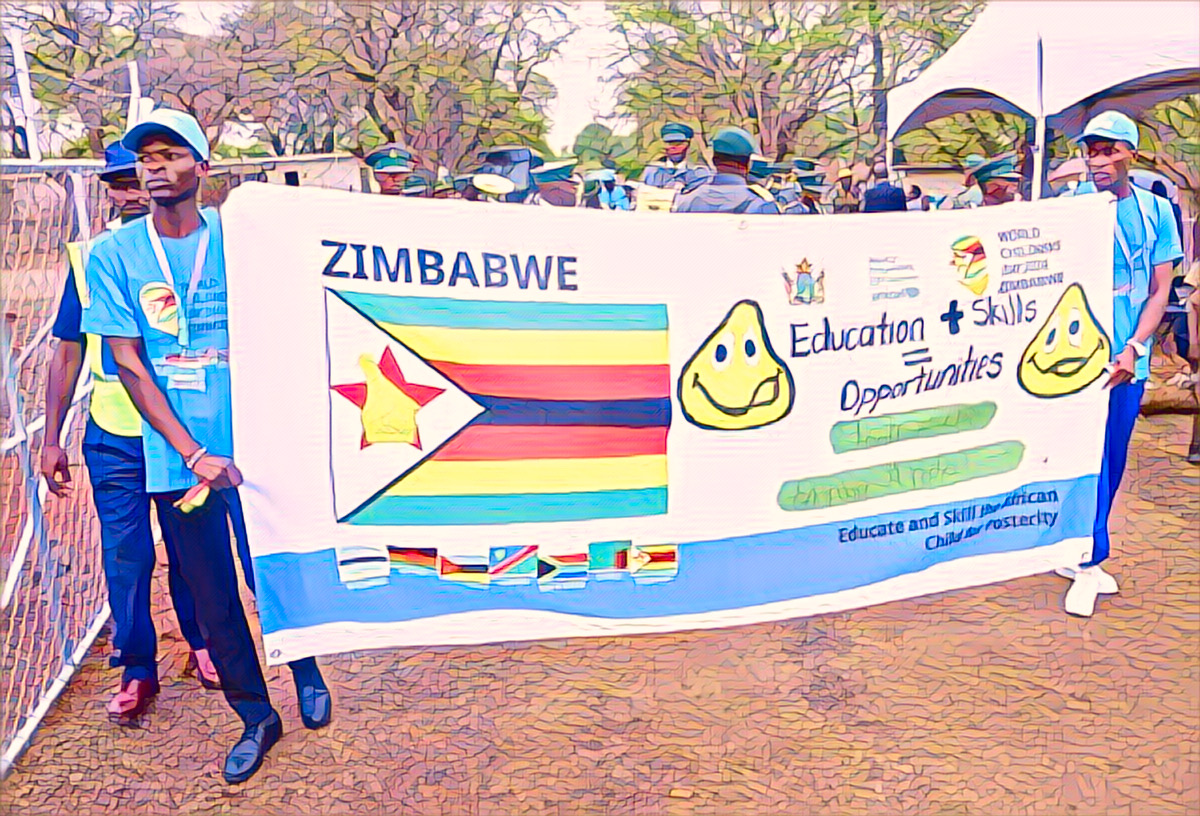
In November 2024, Victoria Falls, Zimbabwe, became the epicenter of a significant regional event—the World Children’s Day celebrations.
This gathering brought together over 7,000 children and delegates from seven Southern African countries: Botswana, Malawi, Mozambique, Namibia, South Africa, Zambia, and Zimbabwe.
The event was co-hosted by Zimbabwe in partnership with UNICEF, underscoring a collective commitment to children’s rights and education in the region.
The celebrations, held from November 15 to 17, centered around the theme “Educate and Skill the African Child for Posterity.” This theme resonated deeply with the participants, emphasizing the critical importance of quality education and skills development for the future of African children.
The event featured a series of activities, including a children’s march through the streets of Victoria Falls, where young participants carried placards with messages such as “Education for All,” “Inclusive Schools,” and “Listen to Our Voices.”
This march symbolized the collective call for action towards improving educational opportunities and inclusivity.
A pivotal event moment was the presentation of a unified Regional Call-to-Action by the children. This document, informed by consultations involving over 5,000 children across the participating countries, outlined their shared vision for a brighter future.
The Call-to-Action emphasized the opportunity to ensure that every child has quality, inclusive, and relevant education and made a call for a hearing of children’s voice.
The presence of high-level officials, including the Presidents of Botswana and Zimbabwe, provided a platform for direct engagement between the youth and policymakers, fostering a sense of accountability and commitment to addressing the issues raised.
2025 outlook for World Children’s Day Celebrations
Owing to the development of the 2024 event, there are high chances of World Children’s Day celebrations in 2025.
There is an anticipated expansion in the number of participating countries, potentially encompassing the entire Southern African Development Community (SADC) region. This expansion would further strengthen regional solidarity and commitment to children’s rights.
Further, the themes for 2025 are expected to provide more focus on special issues related to children including climate change, affecting education; mental health; digital divide, etc.
Preparations will likely involve more extensive consultations with children to ensure that their voices continue shaping the agenda.
The benchmark provided by Victoria Falls event gives direction to subsequent celebrations; focusing on the outcomes and accountable leadership that contributes positively to the plight of children across the region.
3. Global Action Week for Education (GAWE) Commemorations (Zimbabwe)
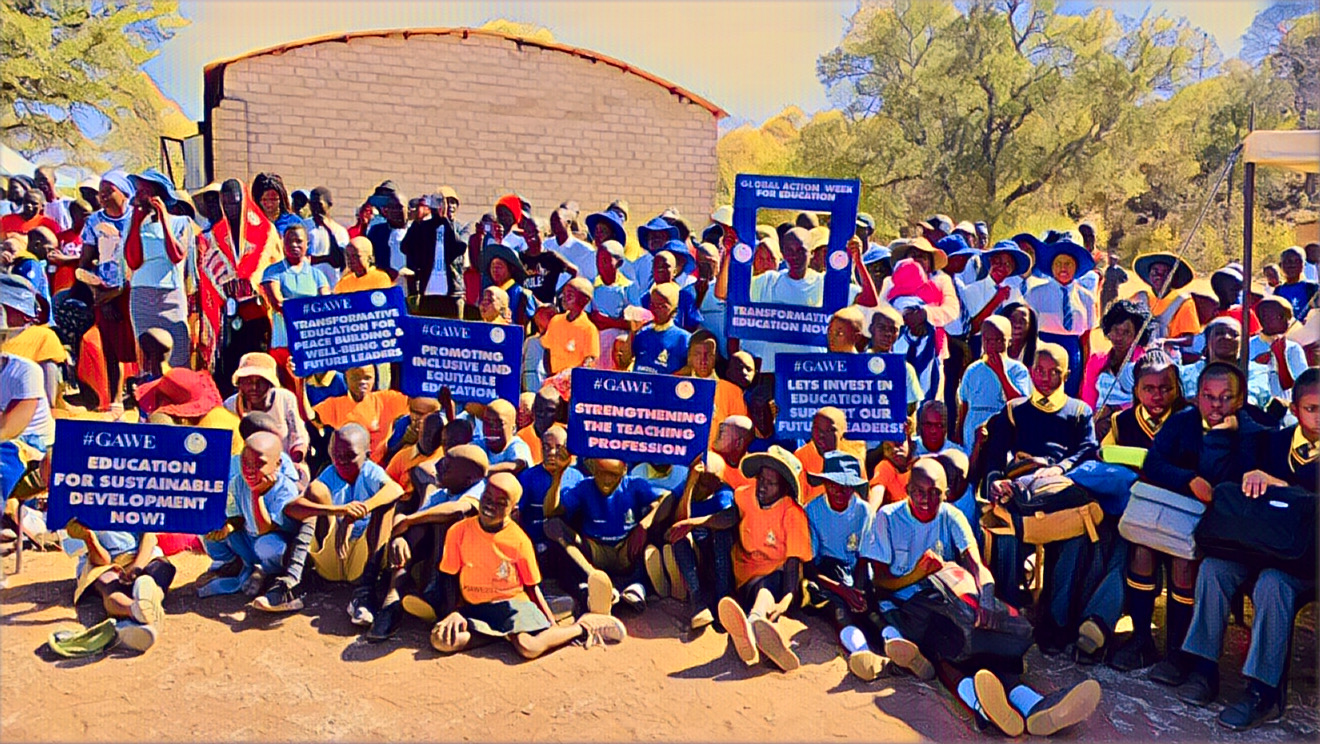
In 2024, Zimbabwe actively participated in the Global Action Week for Education (GAWE), a worldwide campaign coordinated by the Global Campaign for Education (GCE) to advocate for the universal right to quality education.
The theme for GAWE 2024 was “Transformative Education,” emphasizing the need for educational systems that are inclusive, equitable, and capable of fostering critical thinking and innovation among learners.
The Education Coalition of Zimbabwe (ECOZI), a network of non-governmental, faith-based, community-based organizations, and teacher unions, spearheaded the national commemorations.
The official launch took place during the Zimbabwe International Trade Fair (ZITF) in Bulawayo, officiated by the Honourable Minister for Primary and Secondary Education, Dr. Torerayi Moyo. Subsequent events included a significant gathering on May 17, 2024, at Chedope Primary School in Zvishavane, Midlands Province.
These commemorations provided occasions to create awareness the need for the transformational education towards the realization of the SDG 4, that is ‘Quality Education,’ where all individuals will have access to quality education at every level of their life.
Some of the issues in concern included poor funding, substandard infrastructure, and out dated curriculum and this elicited discussions from and between government, policy makers, educators, communities and the students.
A notable outcome of GAWE 2024 in Zimbabwe was the government’s renewed commitment to increasing investment in the education sector.
In light of these acknowledgements, authorities stated their commitment toward making successive investments into education that will address on the enhancement of human resources through development of education facilities, recruitment and training of well qualified teachers as well as provision of learning materials within education needy areas.
2025 outlook for Global Action Week for Education in Zimbabwe
Building on the momentum of 2024, the theme for GAWE 2025 is “Education in Emergencies,” focusing on ensuring the continuity of education during crises such as pandemics, natural disasters, and conflicts.
In Zimbabwe, preparations are underway to address the vulnerabilities of the education sector to various emergencies. ECOZI, in collaboration with the Ministry of Primary and Secondary Education, plans to implement strategies that include the development of emergency-responsive curricula, the establishment of alternative learning platforms, and training educators in crisis management.
Thus, the nation is expecting the observance of the 2025 to involve campaigns, workshops, and policy dialogues for the enhancement of the system’s resistance to future adversities.
In days, when education for learners in emergency situations is of utmost importance, Zimbabwe aims at providing guarantee of learners’ protection in future by continuing their education.
4. Call for Proposals for Foundational Learning (UNESCO, Zimbabwe)

In December 2024, UNESCO issued a call for proposals aimed at enhancing foundational learning in Zimbabwe, focusing on primary education completion and proficiency in reading and mathematics.
This initiative is part of the broader Spotlight report series on foundational learning in Africa, which seeks to support progress towards Sustainable Development Goal (SDG) 4.1: providing all girls and boys especially the vulnerable with relevant free and effective quality primary and secondary education.
The call for proposals specifically targets the development of a comprehensive country report on instructional leadership within Zimbabwe’s primary education system.
This report will examine the roles of school principals, teacher leaders, and local education officers in promoting foundational learning.
The research will involve quantitative and qualitative analyses, including a survey of 60 primary schools across four districts and interviews with key stakeholders at various levels of the education system.
The objectives of this initiative are multifaceted. It aims to provide education leaders with evidence-based recommendations that address key challenges in primary education.
Additionally, it seeks to support advocacy mechanisms that hold governments and partners accountable for achieving universal basic education completion and foundational learning outcomes.
Furthermore, the initiative endeavors to foster peer-learning and policy dialogue at both national and continental levels, thereby improving educational practices across Africa.
This milestone is important to the education system in Zimbabwe because it highlights reform goals that are anchored on research-informed approach and the strengthening of the institutional leadership.
In seeking to build instructional leadership, the initiative seeks to build the capacity of school leaders and education officers to enhance the quality of student achievements with an emphasis placed on the development of the basics.
2025 Outlook for Foundational Learning Initiatives in Zimbabwe
Looking ahead to 2025, the implementation of the findings and recommendations from the UNESCO-led research is expected to drive significant improvements in Zimbabwe’s education system.
Key anticipated developments include policy reforms, with the adoption of measures that enhance instructional leadership by providing clear guidelines and support for school leaders to effectively drive foundational learning.
However, enhancing capacity will be another strategic approach through conducting focused support programs for school principals and education officers, that will enable them to understand the best tutoring approaches to support instruction.
In addition, works towards engagement in the communities will be enhanced in order to have good relationship between schools and the community, appreciate the role of parent and community in student success.
Finally, adequate and effective monitoring and evaluation processes will be put in place to review the effectiveness of the instructional leadership on student’s performance and to check on accountability within the education delivery systems.
5. Challenges Amidst Economic and Environmental Crises (Zimbabwe)
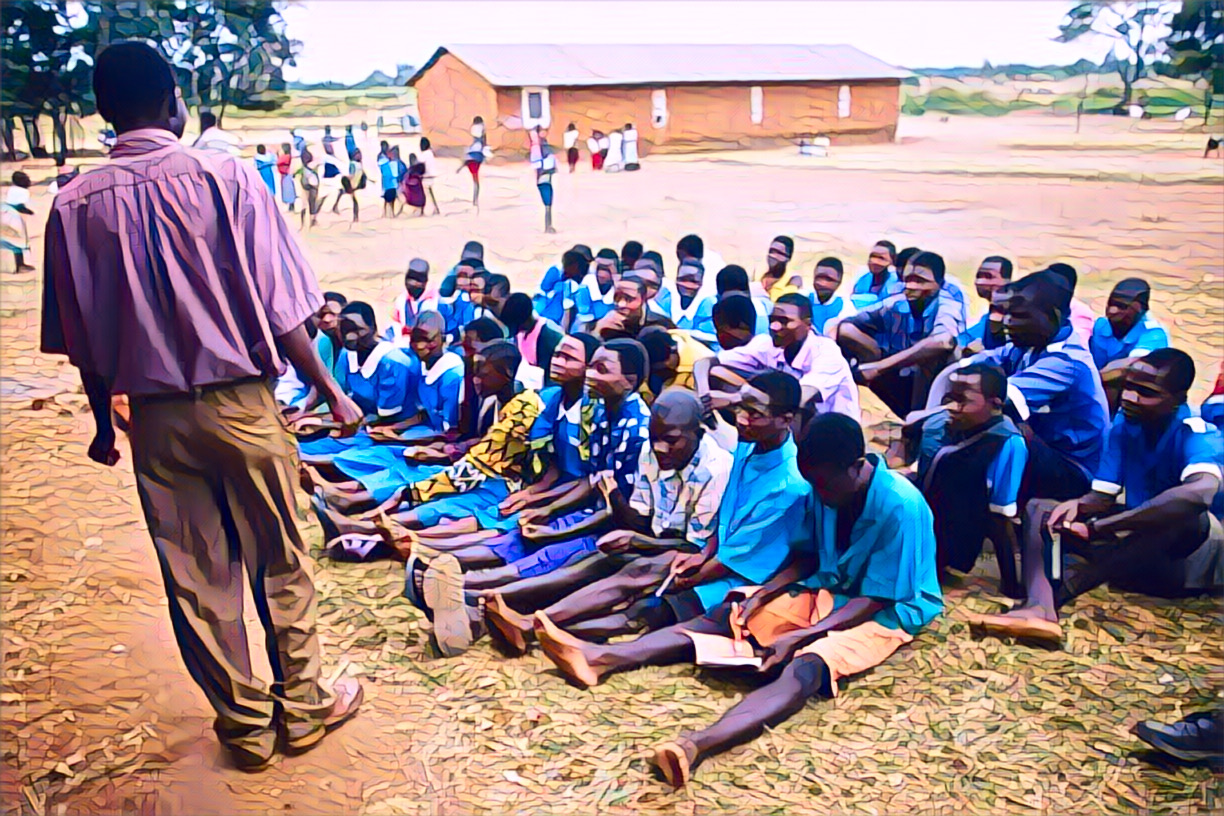
In 2024, Zimbabwe’s education sector faced significant challenges due to concurrent economic and environmental crises, underscoring the resilience and adaptability of its educational institutions and stakeholders.
Economic challenges
The Zimbabwe economy experienced high inflation rates, fluctuating currency and large external debt, which had negative impact on common commodity necessities necessities such as education.
Despite incremental increases in education budget allocations, from 13.4 percent in 2022 to 17.7 percent in 2024, the funding remained below the 20 percent benchmark agreed upon under the Dakar Framework for Action.
Inadequate, poorly equipped schools, poor infrastructure facilities, poor teaching aids, libraries, and science equipment, and few resources were most evident in the rural schools.
Also, due to a lot of economic challenges, that took place the best brains in the teaching profession ventured outside the country in search of better jobs, hence the teacher’s pen gap crisis.
Environmental crises
Concurrently, Zimbabwe experienced severe environmental challenges, notably prolonged droughts and the aftermath of natural disasters like Cyclone Idai.
These activities affected education by availing a destructive haul of infrastructures, displacing communities and overstretching available resources. The affected schools experienced school closure, reduced enrollment, and dropouts which reproduced existing educational inequalities.
Resilience and adaptive strategies
This was instrumental especially when dealing with the issues that delivered Zimbabwe’s education system in 2024.
The government acted in the best interest when, in April 2024, it declared a state of national disaster and issued a humanitarian appeal for water assistance.
Such funds were deployed to cater working sectors that were affected including the education sector. Community engagement was also beneficial, with community members directly involved in the reconstruction process, identification of alternative learning facilities, and offering psychosocial support to learners and educators.
Additionally, international organizations like UNICEF and the Global Partnership for Education collaborated with Zimbabwean authorities to develop climate-smart education systems, aiming to enhance resilience against environmental shocks. These combined efforts underscored a collective commitment to sustaining educational delivery amid adversity.
2025 outlook
In the future, Zimbabwe could afford to achieve several vital objectives in the development of its educational framework. Strengthening funding will continue hence more advocacy efforts in a bid to ensure that 20 percent of the ministry’s budget is provided for in the address to mileage infrastructural deficits and resource lacking areas.
Besides, the country will foster climate-smart approaches in education by incorporating climate risk appraisal into education sector development planning to enhance schools’ readiness to adapt to climatic impacts.
The following measures are also expected to enhance teacher retention efforts that include policies focusing on the enhancement of remuneration and working conditions with a view of halting the training of qualified teachers and maintaining the quality of teachers. Such efforts demonstrate Zimbabwe’s efforts towards develop the nation’s education for the future of being resilient and inclusive.
6. Advocacy for Increased Education Funding (Zimbabwe)
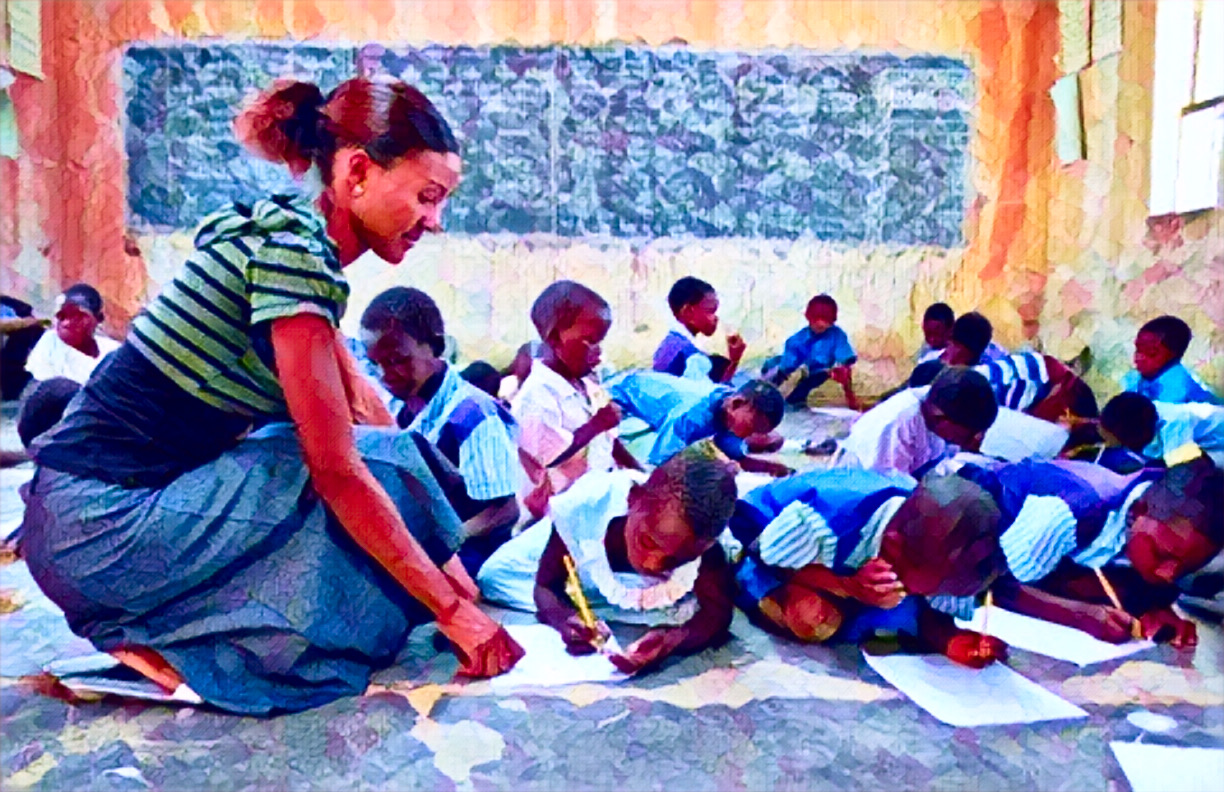
The year 2024 marked a major achievement for Zimbabwe as its education section launched campaigns intended to fight for more funding to partially streamline the challenges affecting education and quality improvement all over the country.
These were conducted by teachers unions, civil society, and development partners, all calling for increased funding to education.
The Amalgamated Rural Teachers Union of Zimbabwe (ARTUZ) played a pivotal role in this advocacy. In a comprehensive position paper, ARTUZ highlighted the chronic underfunding of the education sector, particularly in rural and disadvantaged communities.
They noted that the allocation of 2.8 percent of GDP to education was significantly below international benchmarks, which recommend 4-6 percent of GDP or at least 20 percent of the national budget. ARTUZ called for a radical increase in education funding in the 2025 national budget to address issues such as inadequate teacher salaries, poor infrastructure, and lack of learner support.
Complementing these efforts, the Education Coalition of Zimbabwe (ECOZI) continued its advocacy for increased education financing.
Supported by the Global Partnership for Education (GPE) through the Education Out Loud fund, ECOZI engaged in policy dialogues and public awareness campaigns to hold the government accountable for its educational commitments. Their initiatives aimed to ensure that education remains a top priority in national development strategies.
These concerted advocacy efforts yielded tangible results. In the 2025 National Budget presented by Finance Minister Professor Mthuli Ncube, the Ministry of Primary and Secondary Education received a substantial allocation of ZWL$46.638 billion out of a total budget of ZWL$276.4 billion.
This allocation represented a significant increase compared to previous years, reflecting the government’s recognition of the critical role of education in national development.
2025 outlook for Education Funding in Zimbabwe
As the search for more funds continues at the central government, the emphasis will be on stimulating more effective spending with the goal of improving education in Zimbabwe finally coming through.
Some of the focal areas include expending the funds effectively and-timeous disbursement of those funds- while focusing on developmental priorities such as the construction of schools, the acquisition of teaching-learning resources and the improvement of teachers’ conditions.
Additionally, exploring alternative funding models will be a priority, with the implementation of recommendations to adopt public-private partnerships and other innovative financing mechanisms to supplement government funding and address resource gaps.
There will be improvements in monitoring and accountability arrangements to supervise the use of funds, evaluate the effectiveness of enhanced investment in education, including on learning achievement, and enhance transparency.
Last but not the least; Follow-up advocacy shall strive to continue the process of advocacy so as to keep the education cause high on the agenda of the nations’ policies, as well as to make the funding goal of the international community more attainable.
7. Youth Empowerment Initiatives (Zimbabwe)
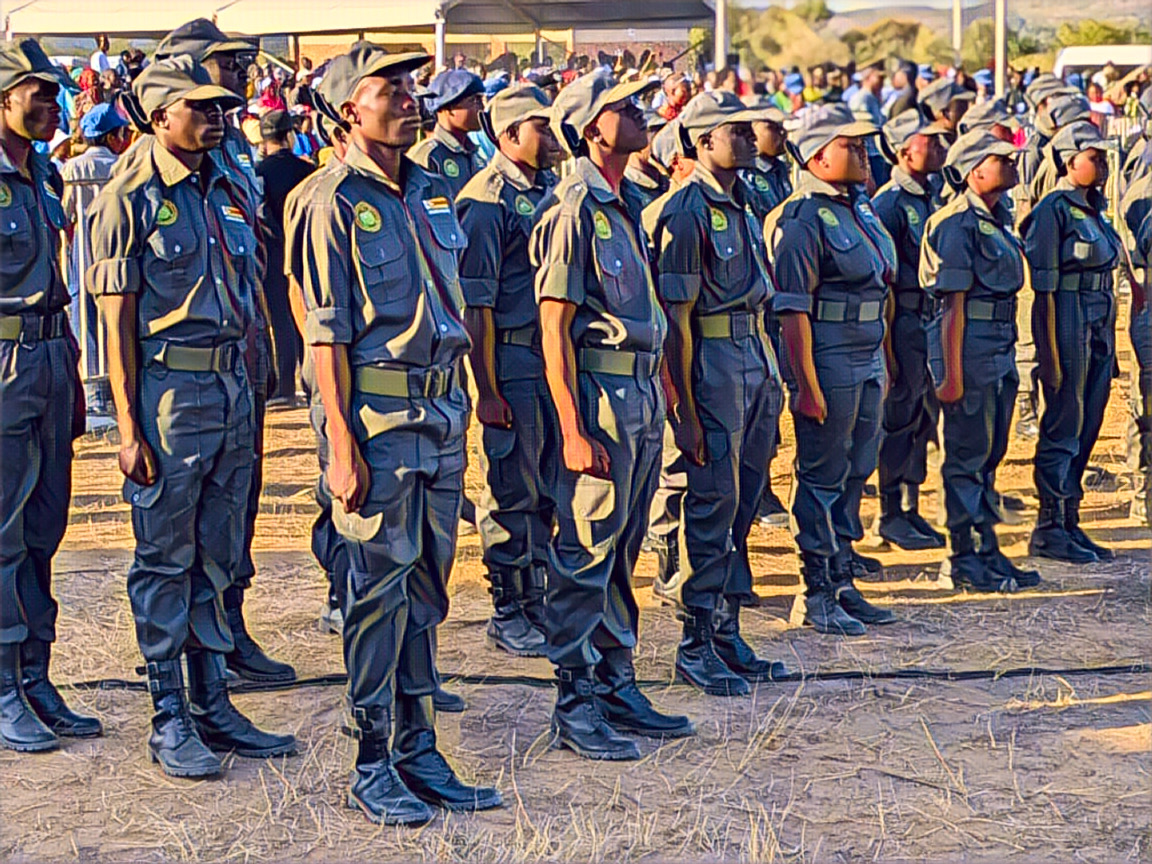
In 2024, more advancement was made towards empowerment of youths in Zimbabwe through different measure put in place, and that were geared toward promotion of skill acquisition, innovation and voter turnout among youths.
Such effort can be considered significant as youths form a significant population group back in Zimbabwe and also having great potential in driving the socio-economic development of the country.
Youth Service in Zimbabwe Programme
A notable milestone was the reintroduction of the National Youth Service Programme, rebranded as the Youth Service in Zimbabwe.
Launched by President Emmerson Mnangagwa on May 24, 2024, at Nhakiwa Vocational Training Centre in Mashonaland East Province, the programme aims to instill values of patriotism, discipline, and leadership among youths aged 18 to 35.
The curriculum includes three months of institutional training followed by three months of community attachment, focusing on career guidance, life skills, and entrepreneurial development. By the end of 2024, over 1,000 youths had graduated from training centers such as Dadaya and Vumba, marking a significant step towards nurturing responsible and resilient citizens.
Youth Empowerment forums
The Ministry of Youth Empowerment, Development, and Vocational Training organized Youth Empowerment Forums across various provinces, including Mashonaland East, Masvingo, and Manicaland.
These forums, held at Vocational Training Centres, aimed to identify and unlock socio-economic opportunities for youths by engaging policymakers from key economic sectors.
The main aims were on awareness, pledged and funding for youth development plans to enhance the social-economic status of the youth.
The forums spiced over vocational skills training and in harmony with government plan focusing on imparting skills necessary for employment among the youths.
Digital skills development
Recognizing the importance of digital literacy in the modern economy, initiatives like the Digital Skills 4 Youth Project were implemented.
This program targets young individuals across rural and urban areas with O-Level education, providing training in digital skills to prepare them for opportunities in the tech industry.
Regions such as Bulawayo, Tsholotsho, Chiredzi, Masvingo, Mutare, and Harare benefited from the program, aiming to create a tech-savvy youth workforce ready to drive the country’s digital future.
Partnerships for Rural Youth Empowerment
In October 2024, the Zimbabwe Youth Council (ZYC) partnered with Teen Rescue Mission (TRM) to empower rural youths through economic empowerment, health education, and vocational training.
This partnership aims to meet the needs of certain counties including poverty, youth crime, drug abuse as well as teenage pregnancy.
By focusing on these areas, the partnership aims to improve the welfare of young people in remote areas, providing them with opportunities for personal and professional development.
International collaborations and opportunities
International organizations also contributed to youth empowerment in Zimbabwe. For instance, the Youth Empowerment & Transformation Trust (YETT), in collaboration with USAID/Zimbabwe, offered internships to underprivileged youths.
It provided on job training and helped employees and candidates to gain new skills for practical experience which paved way for their employment in different fields.
Such youth oriented development programmes have been praised for their benefits that relate to tackling youthful offenses, encouraging nationalism, and strengthening social integration.
Promoting and availing channels where youths in Zimbabwe can aggregate skills, exercise political and economic activities is the sure way of positive impact on the country.
Vocational education and computer technology literacy, extracurricular, including volunteering, equip youths for the different job market challenges and makes them responsible citizens.
2025 outlook
In the future, Zimbabwe intends to extend these schemes targeting more youths to cover a widerude.
The youths will access an equal number of empowerment opportunities in every sector of the economy in that the government seeks to empower 200,000 by 2025 up from 16,000 in 2020.
This goal is an ambitious one and forms part of the National Development Strategy 1 (NDS1) which includes youth economic governance as a transversal theme.
This ambitious goal is part of the National Development Strategy 1 (NDS1), which emphasizes youth economic governance as a cross-cutting priority.
Future programmes are anticipated to address barriers to youth participation in decision making, access to funding for youth initiative and foster strong collaboration with both national and International organizations.
Thus, the measures in promoting youths’ empowerment in 2024 will significantly boost sustainable development push in Zimbabwe. Through positively preparing for future young people the socio economic development of the nation stands to gain considerably owing to the youthful population, enhanced through a skilled, motivated and participating youth.