

KEY POINTS
-
Mwenezi farmers are turning agriculture into income-generating businesses.
-
Small grains, vegetables and poultry are creating new revenue streams.
-
Government and development partners are supporting the projects through ZRBF 2.
Farmers in Mwenezi District, Masvingo Province, Zimbabwe, are transforming small-scale agricultural activities into income-generating businesses through crop processing, horticulture and poultry production.
The initiatives are helping rural households earn additional income, improve food security and strengthen their ability to withstand climate-related challenges.
According to the Ministry of Lands, Agriculture, Fisheries, Water and Rural Development, the projects are being implemented under the second phase of the Zimbabwe Resilience Building Fund (ZRBF 2).
The programme is led by the Zimbabwean government with support from the European Union and the Government of Ireland, in partnership with the United Nations Development Programme (UNDP) and the Food and Agriculture Organization of the United Nations (FAO).
Farmers embrace value addition
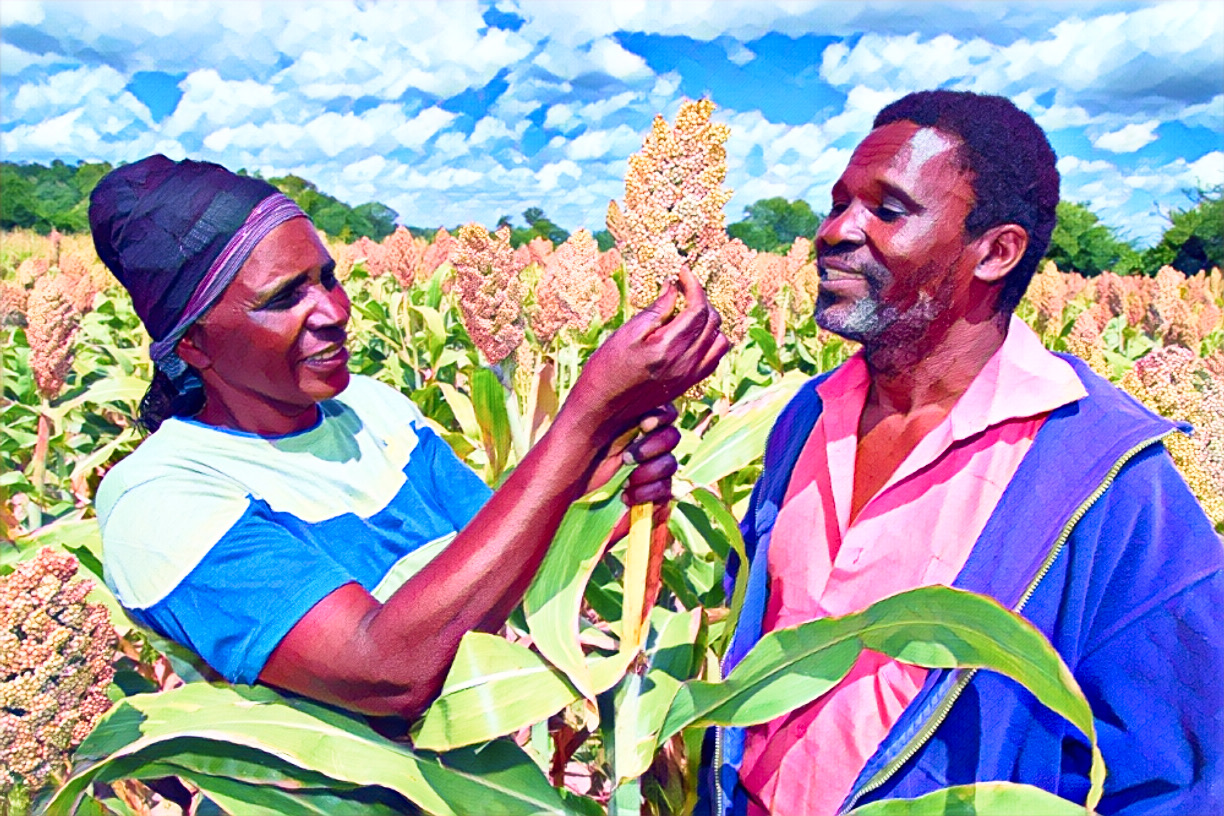
At Masogwe Business Unit, farmers are growing small grains and processing them into mealie-meal and livestock feed rather than selling their harvests in their unprocessed form.
The Ministry said the approach was creating opportunities for farmers to earn more from their agricultural activities by adding value to their produce before taking it to the market.
Processing agricultural products locally also allows farmers to diversify their offerings, reach more customers and generate additional income.
The initiative forms part of efforts to encourage rural communities to treat agriculture as a commercial enterprise rather than relying solely on subsistence production.
Horticulture and poultry create new income streams
At Rata Village Business Unit, farmers are developing a community nutrition garden into a commercial agricultural venture.
The group is cultivating tomatoes, cabbages and spinach while also hatching chicks for sale.
According to the Ministry, the farmers are supplying nearby schools and other markets, creating a source of income while improving access to nutritious food within their communities.
The combination of horticulture and poultry production is also helping farmers diversify their activities and reduce their dependence on a single source of agricultural income.
Water infrastructure supports production
Access to reliable water remains important to the sustainability of the projects, particularly as communities face the risk of dry conditions associated with possible El Niño weather patterns.
The Ministry said the provision of a water pump and the rehabilitation of a dam were helping farmers in Rata sustain agricultural production.
The improvements are expected to support more consistent farming activities during dry periods and reduce the vulnerability of rural households to climate-related shocks.
Efficient water management, alongside climate-smart farming practices, is considered essential to protecting agricultural livelihoods in communities exposed to changing weather conditions.
Government and partners promote rural resilience
The initiatives are part of the broader objectives of the Zimbabwe Resilience Building Fund’s second phase, which seeks to strengthen rural livelihoods through improved food production, income diversification and market-oriented agriculture.
Through the programme, the government and its development partners are supporting communities to develop agricultural activities that can generate sustainable income while improving household food security.
The projects in Mwenezi demonstrate how crop processing, horticulture, poultry production and improved water infrastructure can create additional economic opportunities for smallholder farmers.