

KEY POINTS
-
Zimbabwe is expanding irrigation development to protect farmers against the threat of an El Niño-induced drought.
-
The government is investing in pumping equipment and irrigation infrastructure to reduce dependence on rainfall.
-
Other measures include promoting drought-tolerant crops, conservation farming and stronger food reserves.
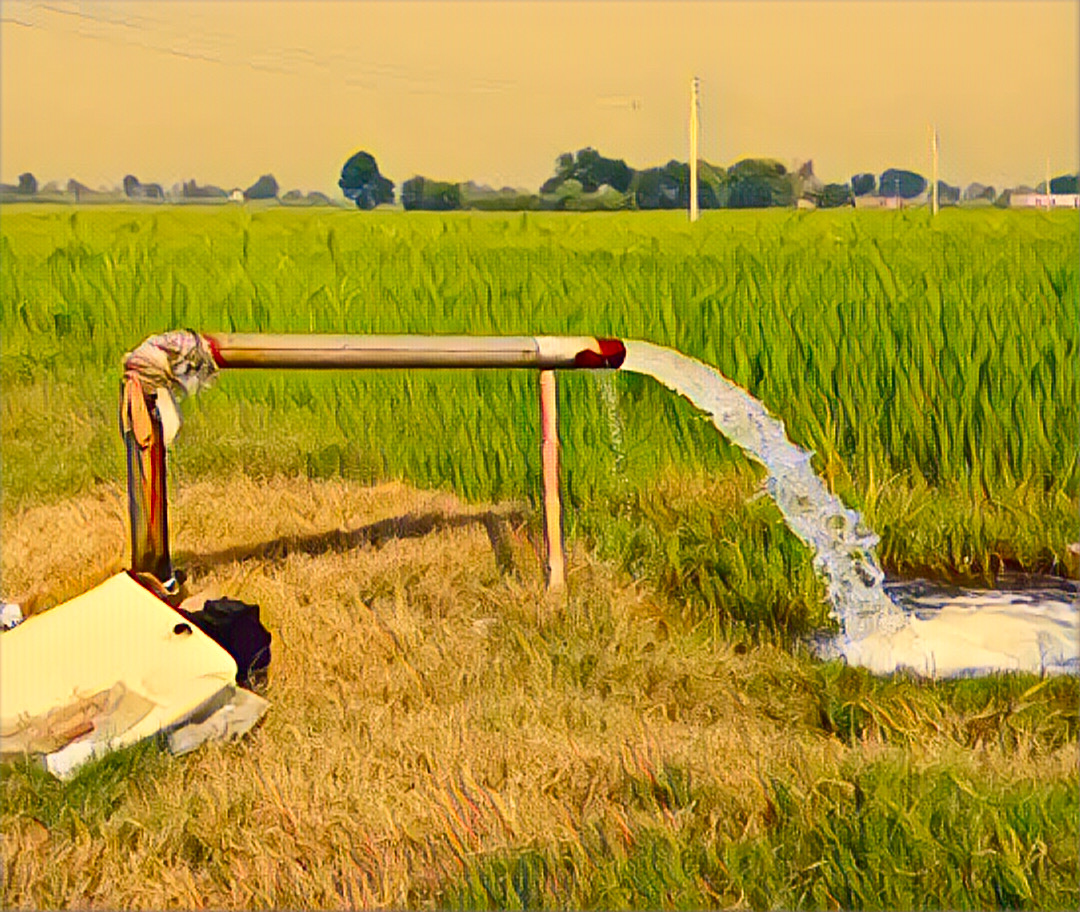
Zimbabwe’s government is stepping up efforts to protect agricultural production against the threat of an El Niño-induced drought, with irrigation development and the provision of pumping equipment forming part of its response.
The measures are aimed at reducing farmers’ dependence on rainfall and ensuring that crops can continue growing even if the 2026/2027 summer season experiences prolonged dry spells and below-normal rainfall.
The government has identified irrigation as a key part of its drought preparedness strategy as the country faces the possibility of another difficult farming season.
Irrigation to Reduce Dependence on Rainfall
Zimbabwe is seeking to expand the use of irrigation infrastructure to help farmers maintain production despite increasingly unpredictable weather conditions.
The country’s agricultural authorities have been encouraging farmers to make greater use of available water resources, including dams and boreholes, to sustain crop production.
In September, the government outlined plans to prioritise irrigation development alongside climate-smart agriculture as part of preparations for the anticipated dry conditions.
The broader strategy also includes improving access to agricultural financing, strengthening livestock production, maintaining strategic grain reserves and providing early warning information to farming communities.
Government Expands Irrigation Infrastructure
Zimbabwe has been implementing several irrigation projects to increase the amount of land that can be cultivated throughout the year.
One example is the rehabilitation of the Laverstock En Avant Irrigation Scheme in Mutasa District, Manicaland Province. The first phase restored 72 hectares of previously idle farmland, allowing 24 farmers to resume production.
The project included the installation of high-capacity pumps, modern piping and other irrigation equipment. A second phase, targeting another 135 hectares, was reported to be 60 per cent complete.
The government has also been working towards increasing the country’s total irrigated land to 496,000 hectares by 2030, from approximately 258,000 hectares reported earlier in the year.
Drought Preparedness and Food Security
The irrigation drive forms part of Zimbabwe’s wider response to the threat of El Niño, which is associated with reduced rainfall and prolonged dry conditions in parts of southern Africa.
The country’s previous experience with the 2023/2024 El Niño drought exposed the risks of relying heavily on rain-fed agriculture. Crop failures and livestock losses affected food supplies and rural livelihoods.
To reduce the likelihood of a similar situation, the government is promoting drought-tolerant traditional grains, conservation farming under the Pfumvudza/Intwasa programme and the expansion of irrigation.
Authorities are also strengthening drought mitigation centres and early warning systems to help communities prepare for possible shortages.
The success of these interventions will depend on the timely delivery of equipment, reliable access to water and electricity, and farmers’ ability to maintain irrigation systems.