
KEY POINTS
-
Zimbabwean student Anodiwa Sadomba uses Instagram and TikTok to challenge autism and ADHD stigma.
-
Her campaign has reached people who experienced stigma and misunderstanding during childhood.
-
She hopes to return to Zimbabwe, support schools and establish a specialist school for children with developmental disorders.
A Zimbabwean student studying in the United Kingdom is using social media to challenge misconceptions about autism and attention deficit hyperactivity disorder (ADHD), while encouraging greater understanding and support for people with developmental differences.
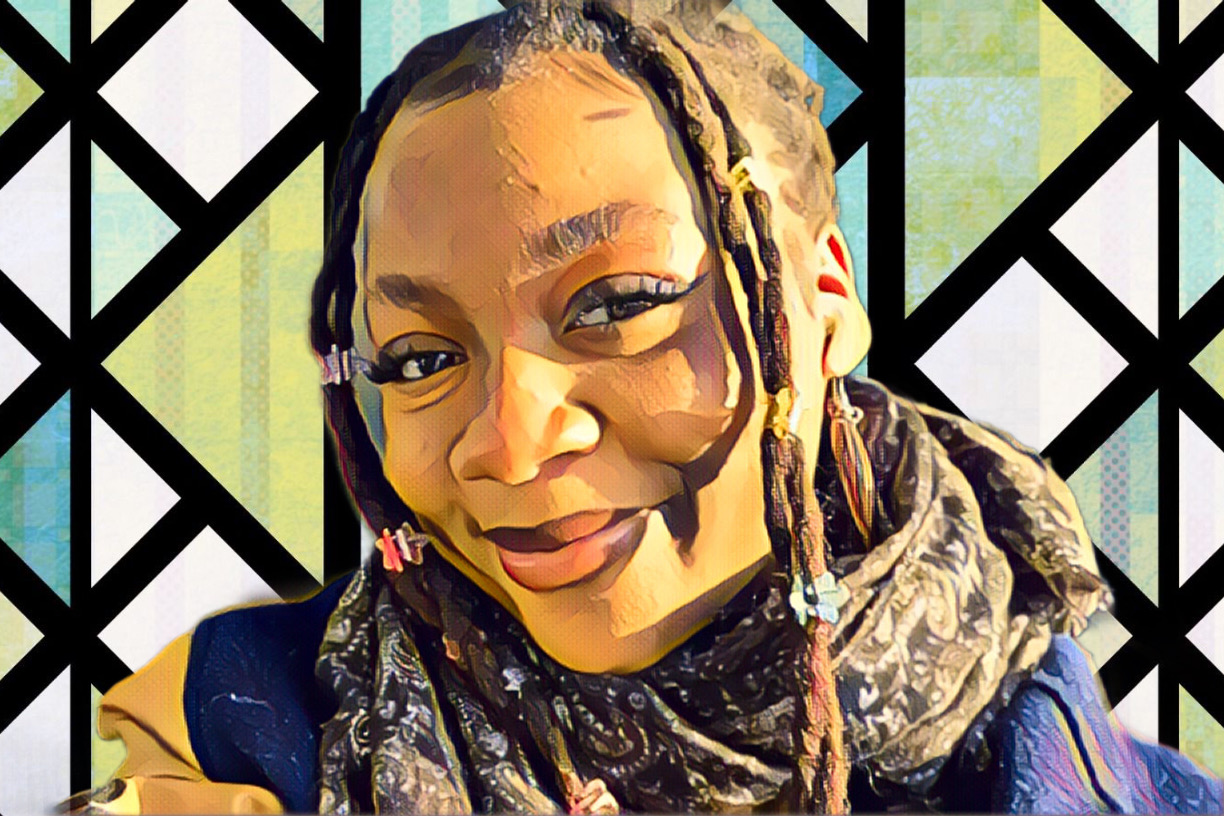
Anodiwa Sadomba, who moved from Zimbabwe to the UK in 2024, is studying for a BSc (Hons) in Psychology with Developmental Disorders at the University of South Wales.
She launched Instagram and TikTok accounts after recognising a lack of accessible information about developmental disorders in Zimbabwe. Her content explains conditions such as autism and ADHD in simple terms and challenges cultural misconceptions that can cause people to misunderstand or stigmatise those affected.
Sadomba says developmental differences should be recognised as part of human diversity rather than treated as something shameful or inherently negative.
Her online advocacy has resonated with people who say they were labelled “different” or “stupid” during childhood because of behaviours or difficulties they did not understand.
Some followers have told her that her videos helped them reconsider their own experiences and better understand neurodevelopmental conditions.
One of her cousins also said her content had changed his perception of autism and ADHD, encouraging greater acceptance rather than treating the conditions as something to hide.
Personal experience strengthens her advocacy
Sadomba’s interest in developmental disorders has been shaped by her academic studies, practical experience and personal journey.
She recently received an ADHD diagnosis, which has helped her better understand why she felt different while growing up.
She hopes to use both her academic knowledge and lived experience to help other people who face misunderstanding, stigma or difficulties accessing appropriate support.
Her work also seeks to challenge the negative labels often attached to children whose behaviour, communication or learning needs differ from those of their peers.
By explaining these differences through social media, Sadomba aims to encourage families and communities to approach developmental conditions with greater understanding and compassion.
Student takes awareness campaign beyond social media
Her advocacy has extended beyond Instagram and TikTok. Sadomba participated in a webinar on developmental disorders in Zimbabwe alongside a developmental paediatrician and a therapist.
The online event attracted more than 100 participants and explored the medical and mental health implications of neurodevelopmental conditions. Sadomba addressed the effects that stigma and labels can have on people’s psychological wellbeing.
She also spent three months working in a learning support centre at a school in Zimbabwe. The experience exposed her to the challenges educators face when supporting pupils with developmental differences, particularly where specialist resources are limited.
The placement strengthened her interest in improving educational support for children who may struggle in conventional learning environments.
Plans to improve support for Zimbabwean children
Sadomba hopes to return to Zimbabwe in the future and work as a consultant, helping schools develop better ways to identify and support children with developmental disorders.
Her longer-term ambition is to establish a specialist school bringing together professionals such as speech and language therapists and occupational therapists to provide individualised assistance.
She believes better understanding, early identification and appropriate educational support can help children develop their abilities without being defined by stigma or negative stereotypes.
Her initiative also demonstrates how young people can use digital platforms to make information about developmental conditions more accessible, particularly in communities where misconceptions remain widespread.
Through her studies and online advocacy, Sadomba hopes to keep the conversation going beyond her university years and help build a more supportive environment for neurodiverse people in Zimbabwe.