

KEY POINTS
-
Zimbabwe plans a $500 million cash and grain reserve for 2027.
-
The country expects maize production to fall nearly 30% to 1.6 million tons.
-
The government has cut its 2027 economic growth forecast from 5% to 3.5%.
Zimbabwe is planning to establish a $500 million cash and grain reserve to protect national food security against an expected drought linked to the El Niño weather phenomenon.
Finance Minister Mthuli Ncube announced the plan on Wednesday, October 14, saying the government would include provisions for the reserve in its 2027 national budget, which is expected to be presented next month.
The proposed fund will be divided equally between cash and grain purchases, with $250 million allocated to each. The government hopes the arrangement will strengthen its ability to respond to food shortages and stabilise supplies if the expected drought affects agricultural production.
Maize harvest expected to decline by nearly 30%
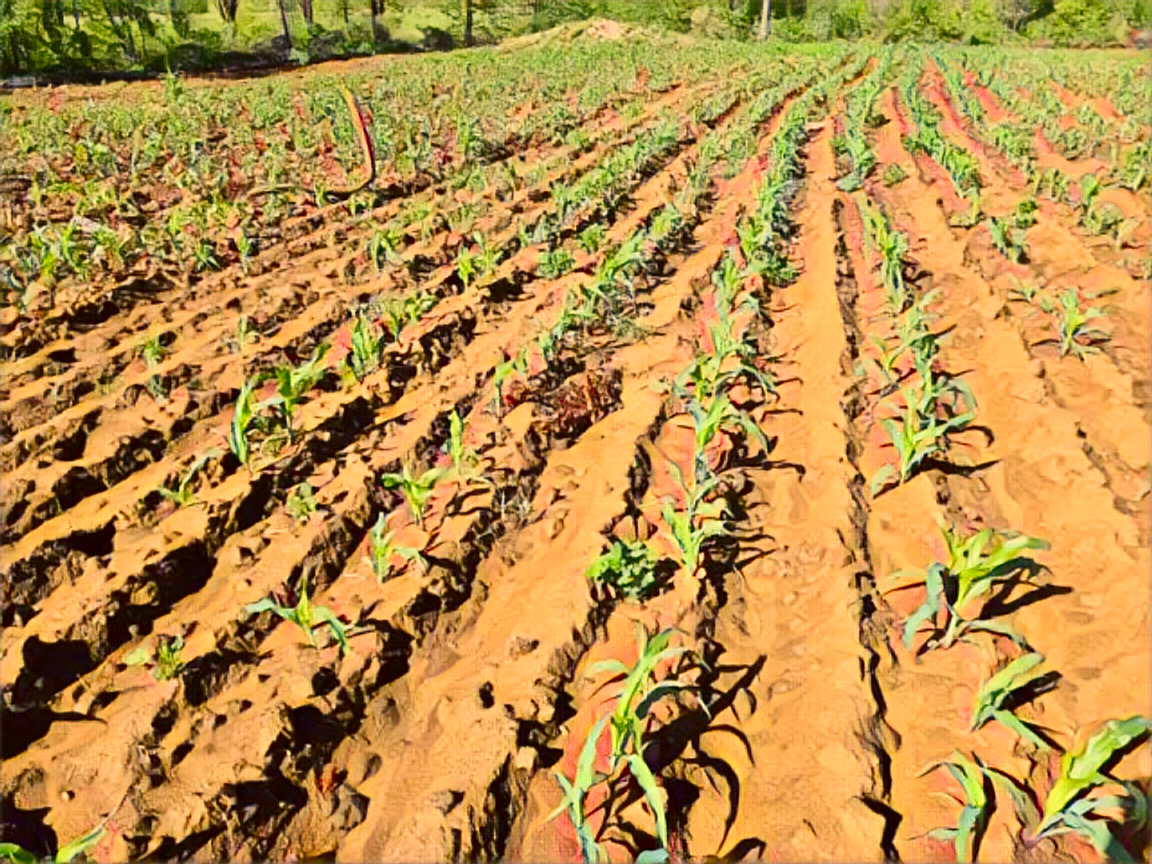
Zimbabwe has projected a maize harvest of 1.6 million metric tons for the 2027 agricultural season, representing a decline of almost 30% from the 2026 output.
The government attributed the expected reduction largely to the forecast El Niño-induced drought, which could affect rainfall and agricultural production across the country.
Zimbabwe requires approximately 2.2 million tons of maize annually to meet its domestic needs. This includes about 400,000 tons used for livestock feed.
The projected harvest would therefore leave a significant gap between domestic production and annual consumption, potentially increasing the country’s reliance on imported grain and strategic reserves.
Ncube said the government had already purchased approximately 200,000 metric tons of maize from local farmers for its strategic grain reserves.
The planned $250 million allocation for further grain purchases is expected to support efforts to build up these stocks ahead of the anticipated weather disruption.
Previous El Niño drought left millions needing food aid
Zimbabwe experienced severe food shortages in 2024 after an El Niño-induced drought affected agricultural production. The government declared a national disaster as millions of people required food assistance.
El Niño is the warm phase of the naturally occurring El Niño-Southern Oscillation climate cycle. It influences weather patterns across different parts of the world, often contributing to higher global temperatures and changes in rainfall distribution.
The phenomenon can cause drought in some regions while bringing unusually heavy rainfall to others.
Zimbabwe’s latest preparations are intended to reduce the risk of a repeat of the food crisis experienced in 2024.
Economic growth forecast lowered
The expected drought has also affected the government’s economic outlook for 2027.
Zimbabwe has reduced its economic growth forecast for the year to 3.5%, down from its initial projection of 5%.
The government cited the potential impact of El Niño on agriculture, a key sector of the economy, as the main reason for the downward revision.
The country has faced persistent challenges in maintaining sufficient domestic food production since 2000, when land seizures under former President Robert Mugabe disrupted agricultural operations.
Climate change has added to these difficulties by increasing pressure on farming conditions and the country’s ability to produce enough food.
The proposed cash and grain reserve forms part of the government’s preparations to manage the expected agricultural downturn, protect food supplies and limit the impact of drought on households and the wider economy.