

KEY POINTS
-
SADC Parliamentary Forum has launched a regional dashboard to monitor implementation of its Model Law on ending child marriage.
-
The dashboard will track legal reforms, funding, child protection services and progress across member states.
-
The initiative aims to strengthen parliamentary oversight and ensure commitments translate into practical protection for girls.
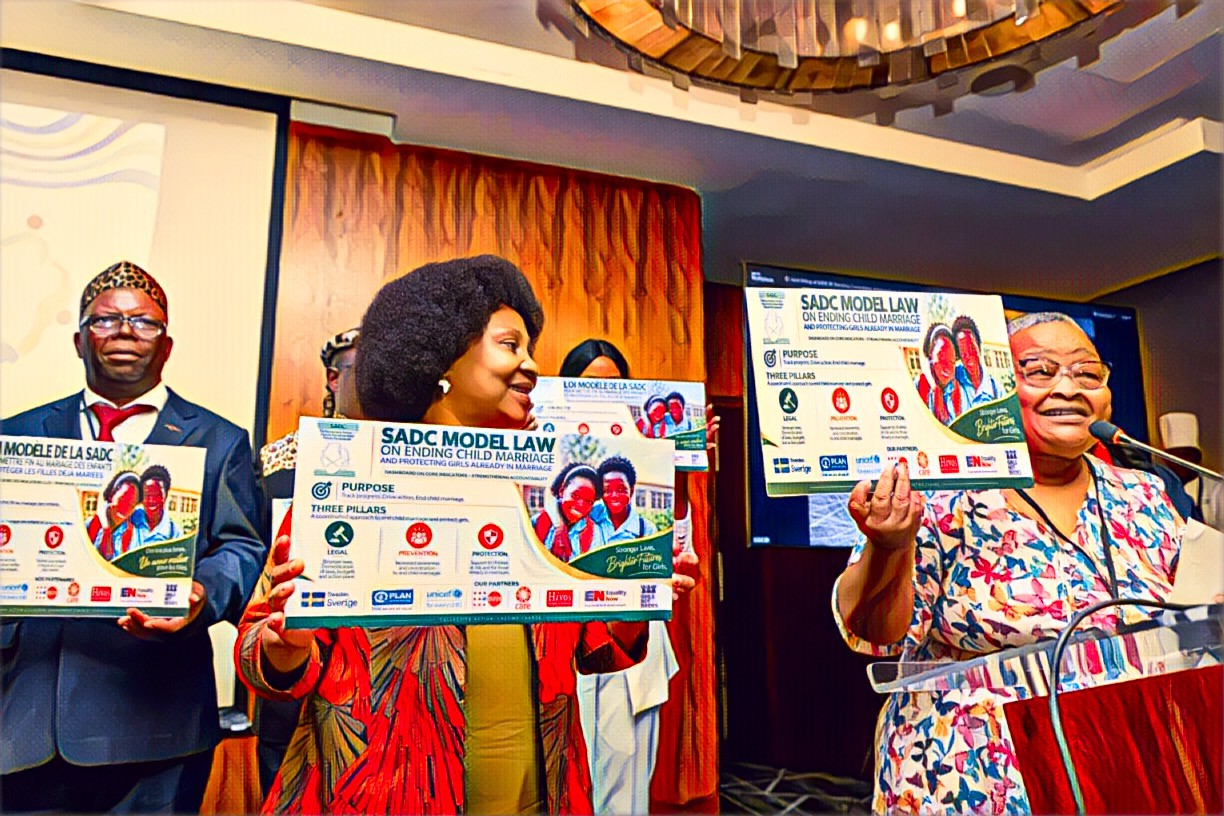
The Southern African Development Community Parliamentary Forum (SADC PF) has launched a regional monitoring framework and digital dashboard to track the implementation of commitments aimed at ending child marriage and protecting children already in marriage.
The initiative was unveiled on Sunday at the opening of the Forum’s 59th Plenary Assembly Session in Eswatini, which is hosting the gathering.
The launch also coincided with the 10th anniversary of the adoption of the SADC PF Model Law on Eradicating Child Marriage and Protecting Children Already in Marriage, adopted in 2016.
The dashboard is designed to help lawmakers assess whether commitments made under the regional Model Law are translating into stronger legislation, adequate funding, improved protection services and measurable outcomes for girls across the region.
Eswatini’s Speaker of Parliament, Jabulani Mabuza, said the platform should help parliaments move beyond policy commitments by strengthening laws, ensuring funding and improving enforcement.
Millions of Girls Still Affected by Child Marriage
Mabuza cited UNICEF estimates showing that millions of women and girls worldwide were married as children, with Africa carrying a significant share of the burden.
He said child marriage exposes girls to several challenges, including interrupted education, early pregnancy, violence, limited economic opportunities and loss of personal freedom.
The Speaker stressed that protecting children who are already in marriages must remain an important part of the regional response, rather than focusing only on preventing new cases.
He said the Model Law recognised that addressing child marriage requires action across multiple institutions, including government ministries, legislatures, courts, law enforcement agencies, schools, healthcare providers and community organisations.
However, he acknowledged that progress across the SADC region remained uneven, with differences in national laws on minimum marriage ages and exceptions that may permit marriages below the protective legal standard.
He called for harmonised legislation, the removal of legal exceptions, stronger enforcement and sustained parliamentary oversight.
Dashboard to Track Laws, Funding and Protection Services
The monitoring platform is expected to help lawmakers identify countries that have made progress, areas where legal and policy gaps remain, and institutions responsible for implementing reforms.
The framework will also examine whether governments are allocating sufficient resources to services such as birth and marriage registration, education retention programmes, support for girls returning to school, healthcare, psychosocial assistance, legal aid and child protection.
Mabuza urged parliamentarians to scrutinise government spending and determine whether allocated funds are translating into accessible services, particularly for children living in rural communities.
He said the dashboard should improve accountability by providing information on legislative changes, implementation gaps, available resources and progress against indicators.
SADC PF Calls for Stronger Parliamentary Oversight
SADC PF Secretary General Boemo Sekgoma described the dashboard as the next stage of the Forum’s efforts to strengthen regional lawmaking and monitor the implementation of its Model Law.
She said the process began with developing the regional legislation, followed by guidance for stakeholders and the creation of a monitoring framework to assess implementation.
Sekgoma said the dashboard would support parliamentary committees and regional oversight processes by helping legislators identify progress and areas requiring further intervention.
She encouraged lawmakers to use the platform to assess the impact of their work and ensure citizens could better understand and engage with parliamentary processes.
Plan International Urges Action Beyond Legislation
Plan International Zambia Country Director Antoinette Ngoma said ending child marriage requires more than passing laws, stressing the importance of political leadership, changing social norms, sustained investment and reliable data.
She said legislation should serve as the foundation for practical action rather than being treated as the final achievement.
The monitoring framework was developed through collaboration involving parliaments, civil society organisations, traditional leaders and development partners.