

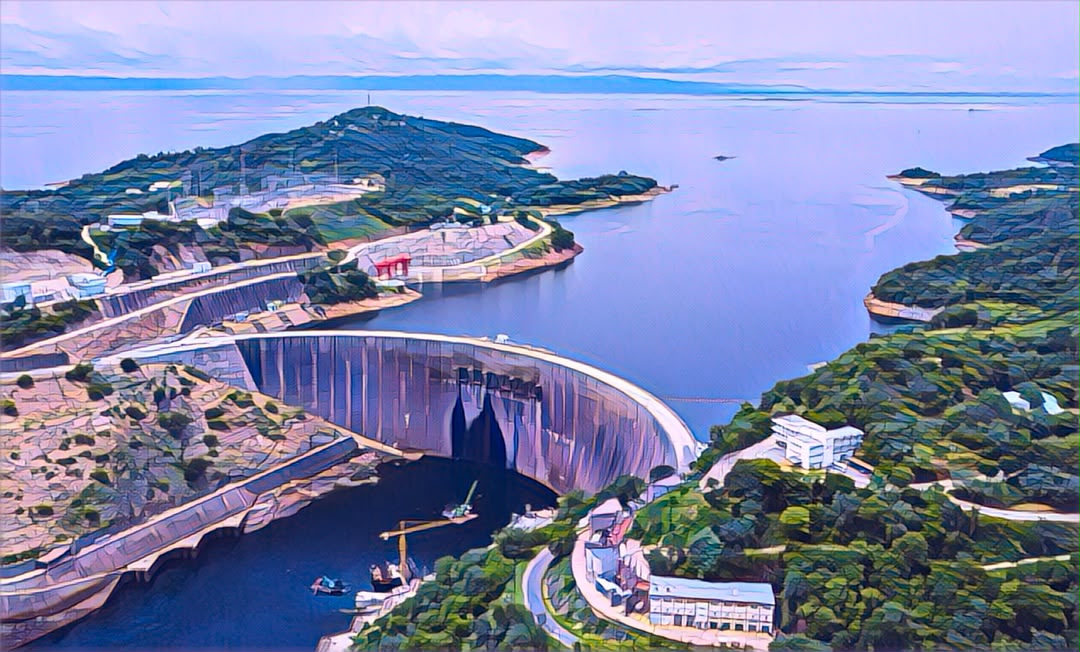
Zimbabwe’s Cabinet has approved a US$650 million floating solar plant on Lake Kariba, a bet that panels on the water can ease the power shortages drought keeps inflicting on the country. A solar project in Gwanda, meanwhile, still sits idle 11 years after its contract was signed.
The Kariba scheme is designed for 600 megawatts, built in three phases over five years and starting with 150 megawatts, according to the Cabinet decision announced in December by Information Minister Jenfan Muswere. Reports this summer put the investment package at about US$400 million.
Green Hybrid Power, a special purpose company created by the Intensive Energy Users Group, is leading the first phase. The group represents large mining and industrial electricity consumers. Afreximbank has put up US$4.4 million for preparatory work. Eddie Cross, the group’s chairman, said in July that design, grid integration and budgets were being finalized, and that he hoped financial close would come by October.
The pressure behind the project is plain. Drought has lowered water levels at Kariba and cut hydropower output, and Zimbabwe and Zambia have rationed electricity and paid for costly emergency imports. Solar panels would generate by day and save water for night-time hydropower, Muswere said. Energy Minister July Moyo has described the plant as a complement to hydropower, not a replacement. Studies found the grid at Kariba, which carries about 1,050 megawatts, can absorb the full 600 megawatts, according to project reports.
Gwanda tells a different story. The 100-megawatt plant was awarded in October 2015 to Intratrek Zimbabwe, a firm led by businessman Wicknell Chivayo, under a tender valued at US$172.8 million. The Zimbabwe Power Company advanced about US$5.7 million to the contractor for a feasibility study, pre-commencement costs and taxes.
The contract was terminated in April 2018 after conditions were not met, and a long court fight followed. It ended in December 2023, when the Supreme Court ruled in the power company’s favor. Officials say the contract remains valid.
Parliament’s energy committee visited the site in March 2024 and found it overgrown, with damaged buildings and no work under way. A three-phase 33-kilovolt power line the plant needs had not been built. Committee chairman Leslie Mhangwa criticized the power company for describing it as a running project. A ZESA Holdings legal adviser told lawmakers the contractor could not return until outstanding conditions were met.
No later public update on construction was available. Residents near the site faced power cuts lasting 18 to 30 hours at a time, according to reporting on the visit.
Developers of the Kariba plant have not announced a construction start date.