

KEY POINTS
-
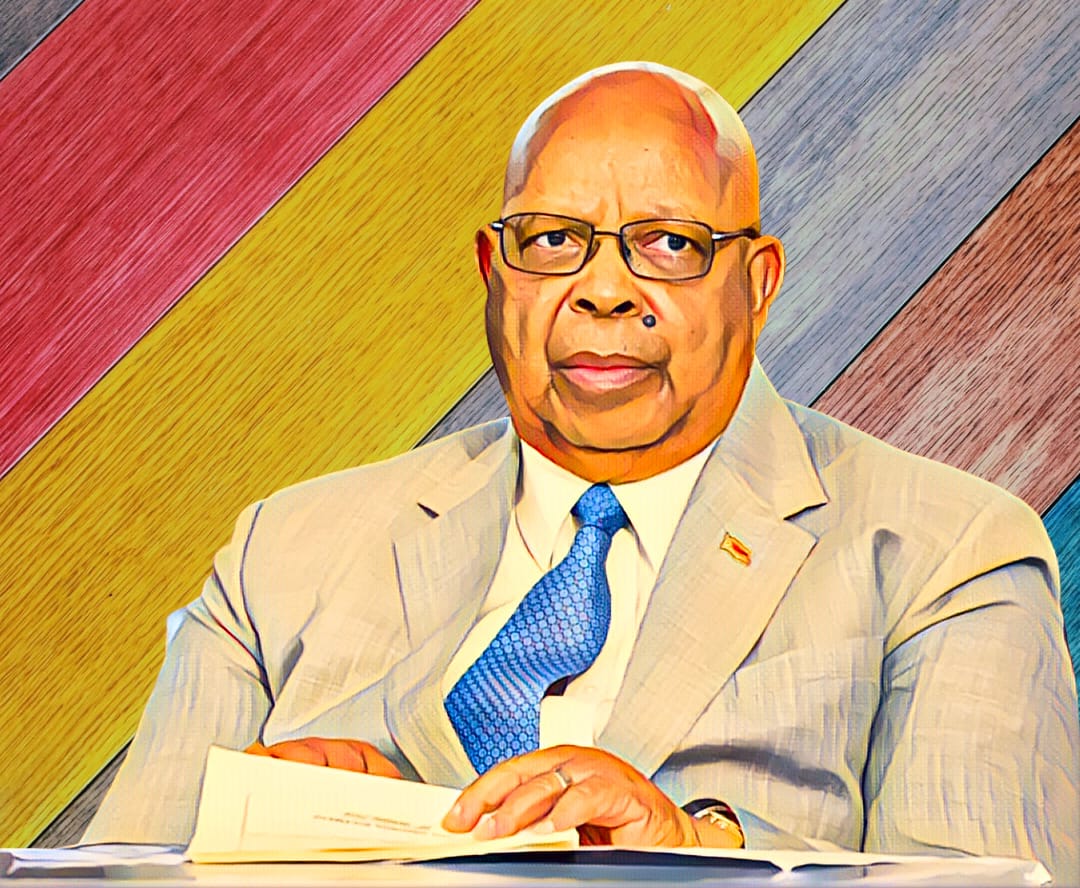
Zimbabwe’s Speaker Jacob Mudenda is leading efforts to transform the SADC Parliamentary Forum into a fully-fledged regional parliament with legislative powers.
-
The push comes 10 years after the forum adopted a model law on eradicating child marriage, with member states still struggling to implement regional recommendations.
-
The 59th Plenary Assembly in Eswatini is examining child marriage, youth unemployment, women’s representation and the need for stronger regional parliamentary authority.
Zimbabwe’s Speaker of Parliament, Jacob Mudenda, is leading a renewed push to transform the Southern African Development Community (SADC) Parliamentary Forum into a fully-fledged regional parliament with powers to enforce legislation across member states.
The initiative comes as the forum holds its 59th Plenary Assembly in Ezulwini, Eswatini, from November 20 to 27, with lawmakers from 14 member parliaments participating.
Mudenda, who chairs a six-member Strategic Lobby Team comprising SADC parliamentary speakers, has been tasked with advancing the proposed transformation and securing support for the establishment of a regional parliament with stronger legislative authority.
For the past decade, the SADC Parliamentary Forum has adopted model laws, issued declarations and made policy recommendations, but has lacked the powers to compel member states to implement them.
The proposed transformation is intended to address that limitation by giving the regional body greater authority to influence legislation and ensure that member countries follow through on agreed commitments.
Eswatini backs transformation of SADC Forum
Eswatini Prime Minister Russell Mmiso Dlamini reaffirmed his country’s support for the transformation when he officially opened the assembly on Saturday at Ezulwini Palazzo on behalf of King Mswati III.
Dlamini said the proposed regional parliament could help address the limitations of the existing forum, particularly in ensuring that regional commitments translate into practical action.
He pointed to the adoption of the Model Law on Eradicating Child Marriage in Ezulwini 10 years ago, questioning how much progress had been made in protecting children since its introduction.
He challenged delegates to assess what protection had reached children, what obstacles remained and what measures were needed to accelerate efforts to end child marriage.
Dlamini argued that model laws alone could not guarantee progress because implementation depended on individual countries choosing whether to incorporate them into their national legislation.
He said a binding regional parliament could strengthen the implementation of such commitments and make it more difficult for member states to ignore agreed regional measures.
Child marriage remains a major concern
The eradication of child marriage remains one of the major issues being discussed at the assembly, with Dlamini describing it as a legal responsibility, moral obligation and requirement for sustainable development.
He identified poverty as a major factor contributing to child marriage and called for stronger social protection programmes, quality education, livelihood support and access to healthcare.
He also emphasised the need for legal assistance and continued education for children who are already in marriages.
Dlamini stressed that physical development should not be used to determine adulthood, warning that children require protection and opportunities to complete their education and develop fully.
Women and young people demand greater representation
The assembly also highlighted concerns about the representation of women and young people in regional decision-making.
SADC Parliamentary Forum Secretary-General Boemo Sekgoma said women account for 34.7 per cent of the 75 accredited members participating in the session.
Youth representative Thembela Msibi raised concerns about youth unemployment, which he said had reached 62.5 per cent in some member states.
Msibi called for greater inclusion of young people in decisions affecting their lives, insisting that policies should not be developed without their participation.
His appeal underscored the need for the proposed regional parliament to provide a stronger platform for women, young people and other underrepresented groups.
New parliament faces test of authority
The proposed transformation of the SADC Parliamentary Forum is expected to determine whether the regional body can move beyond declarations and recommendations to a system with stronger legislative authority.
The ongoing assembly comes at a critical point, as delegates assess the progress made over the past decade and consider how regional agreements can be translated into enforceable policies.
Supporters of the transformation argue that a fully-fledged SADC Parliament could improve accountability, strengthen regional cooperation and ensure that commitments on issues such as child marriage, education and youth development are implemented.
However, the success of the initiative will depend on the powers granted to the proposed institution and the willingness of member states to accept its authority.
The assembly is therefore seen as an important step in Mudenda’s campaign to reshape the SADC Parliamentary Forum, with the next decade potentially offering a different approach to regional governance if the proposed changes are approved.