

Zimbabwe will suspend or revoke the operating licenses of foreign-owned businesses that have ignored rules reserving 17 economic sectors for citizens, the government said Tuesday after a Cabinet meeting.
Information Minister Zhemu Soda told a post-Cabinet media briefing that most foreign operators have not regularized their status despite national campaigns and non-compliance notices. Foreign players still hold a significant footprint in reserved areas such as retail and brick molding, he said, and “stiffer penalties will be implemented.”
The Ministry of Industry and Commerce will carry out the suspensions and revocations under existing regulations, Soda said. The announcement signals a move from awareness drives to hard enforcement of the Zimbabwe reserved sectors rules.
The regulations were gazetted as Statutory Instrument 215 of 2025 on Dec. 11, 2025. Thirteen of the 17 sectors are reserved exclusively for Zimbabweans, including borehole drilling, customs clearing, tobacco grading, estate agency and artisanal mining. Foreign participation is allowed in only four: retail and wholesale trade, haulage and logistics, grain milling, and shipping and forwarding. Even there, operators need an exemption or a regularization plan.
Cabinet was told that compliance inspections covering more than 3,000 companies have been completed across all 10 provinces. Authorities received 693 formal compliance applications, and 269 foreign operators have applied for regularization under plans that require transferring 75% of equity to Zimbabwean citizens.
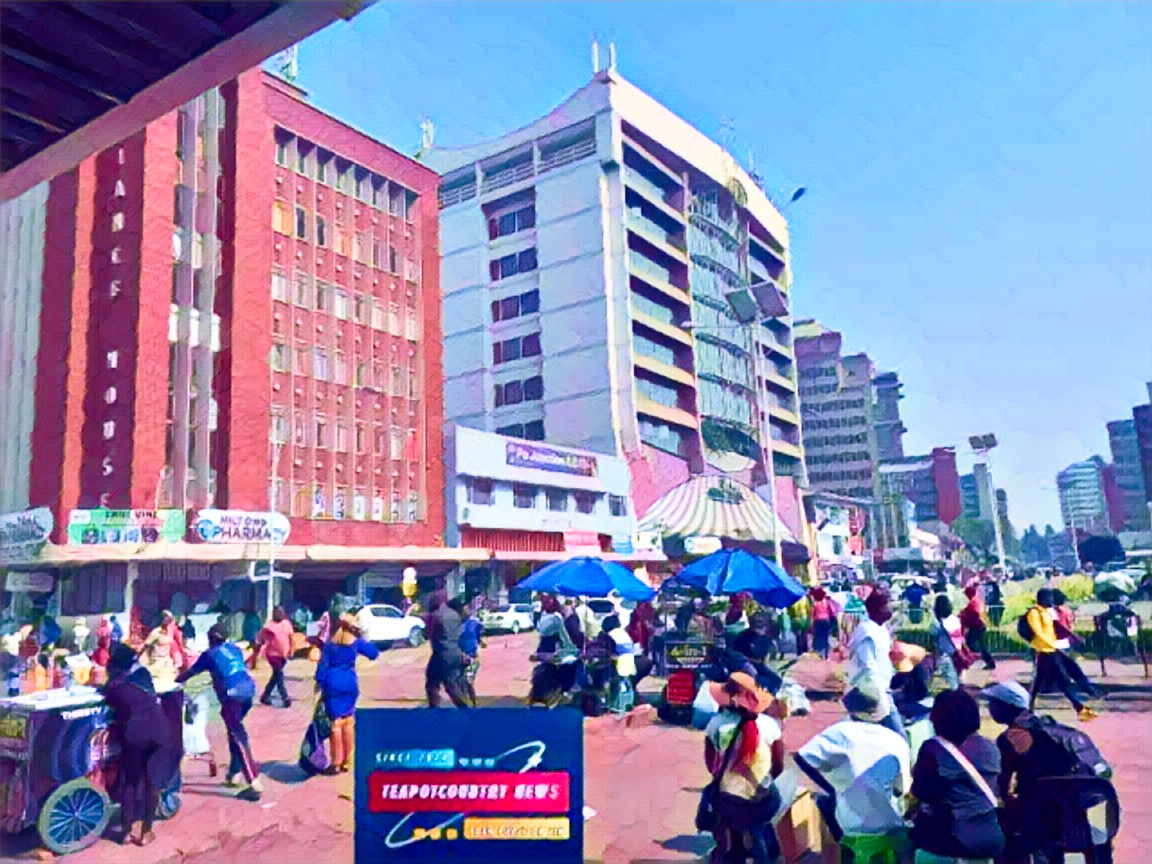
Foreign-owned businesses have continued to operate in sectors such as retail and wholesale trade, particularly in the Harare central business district.
The government had earlier given foreign firms already operating in the sectors a three-month window to regularize, with an awareness campaign to follow. Later, Justice Minister Ziyambi Ziyambi told Parliament that businesses had been given time to find local partners and could exit by 2027.
The Reserved Sectors Programme is meant to keep Zimbabweans from being crowded out of small and medium enterprises by businesses with access to cheap or long-term foreign capital. Officials say foreign investment should focus on capital-intensive projects instead.
Zimbabwe is not alone in pressing the issue. In Kenya, President William Ruto directed authorities in September to begin shutting small retail and hawking businesses run by foreign nationals, saying such work should be reserved for Kenyans. In Lesotho, local businesses went to court in 2024 seeking enforcement of regulations that reserve 47 business sectors for Basotho.
The government has described the measure as a way to increase citizen participation in key parts of the economy while giving existing operators time to comply. As reported, the latest statement did not say when suspensions would begin, how many businesses could be affected or what other penalties the government has in mind.
