

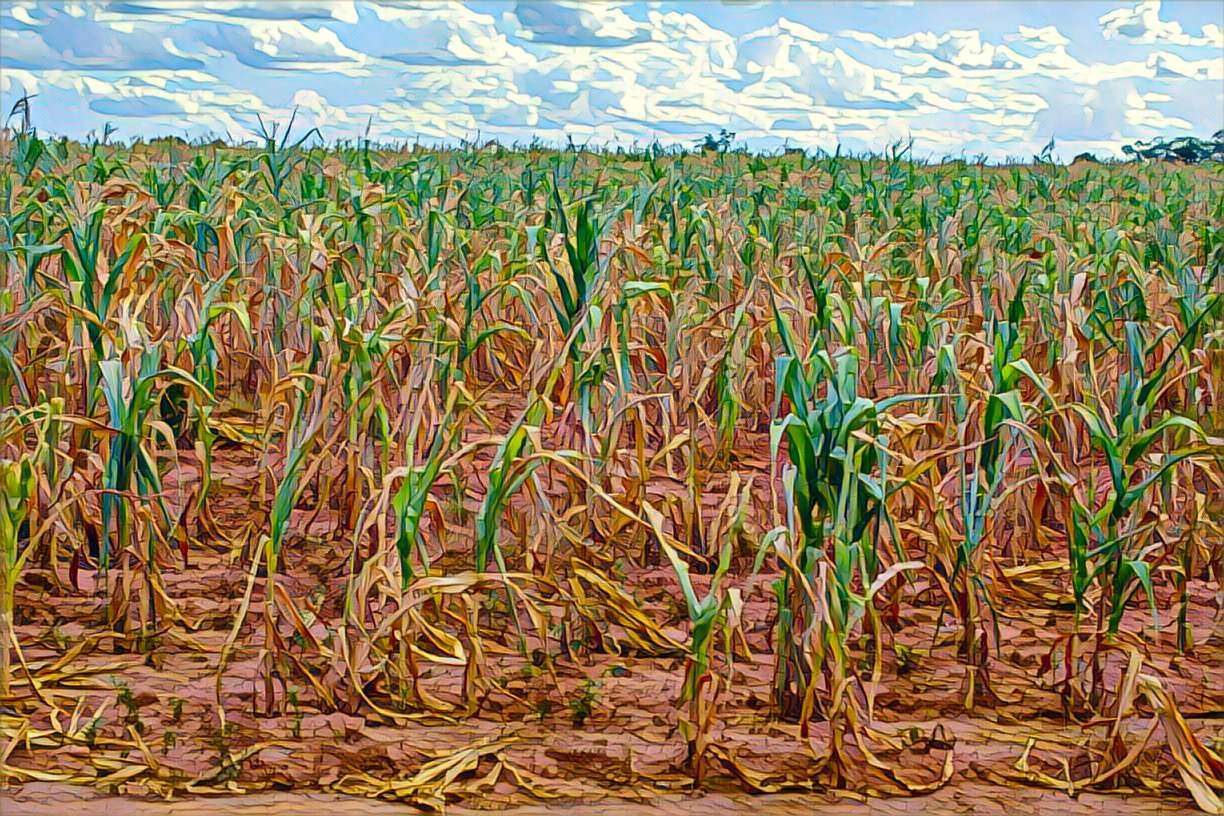
Zimbabwe is building a strategic grain reserve of 600,000 metric tons and plans to buy drought insurance as a forecast El Niño threatens its harvest and its economy.
Finance Minister Mthuli Ncube laid out the plans Wednesday at the 2027 National Pre-Budget Seminar in Bulawayo. The government expects growth of 5% this year but only 3.5% in 2027, he said, blaming El Niño for the slowdown.
What Treasury is doing
Ncube said the government is building grain stocks toward a target of 600,000 metric tons to support vulnerable citizens during the drought. “As I speak, we are close to halfway through and we will keep going,” he said. Treasury has also set aside money in this year’s budget and next year’s as a cushion to buy food if needed, and has reserved resources for the Food for Work program, which supports rural families.
The government also plans to buy insurance that would provide money once a drought occurs. The money would then go to vulnerable households as cash transfers, Ncube said.
Why the worry
Zimbabwe’s weather service puts the chance of an El Niño this season at 88% to 94%. Historically, such years have brought below-normal rain to the country about 65% of the time. Officials expect grain output to fall to about 1.6 million metric tons in 2026/27, down 42% from 2.74 million tons last season, leaving a projected deficit of 266,881 to 541,881 metric tons.
The last major drought, in 2023/24, was the worst in 40 years, and the government mobilized 328,000 metric tons of grain to feed 6.5 million people, according to the research institute ICRISAT. IMF projections show growth could fall to between 2% and 3% if El Niño develops as expected.
The government let private companies resume grain imports on Sept. 16 and is urging households to plant drought-tolerant crops such as sorghum and millet.
The report reviewed does not say how much the insurance would cost or when it would be bought.
