

KEY POINTS
- Zimbabwe launched a $14.33 million Pandemic Fund project running through 2028.
- The project will upgrade 25 labs and train more than 10,000 professionals.
- Partners add $49 million, with $91.8 million in government co-investment.
Zimbabwe has launched a $14.33 million Pandemic Fund project to strengthen its ability to detect and respond to disease outbreaks across the human, animal and environmental health sectors, the African Development Bank said.
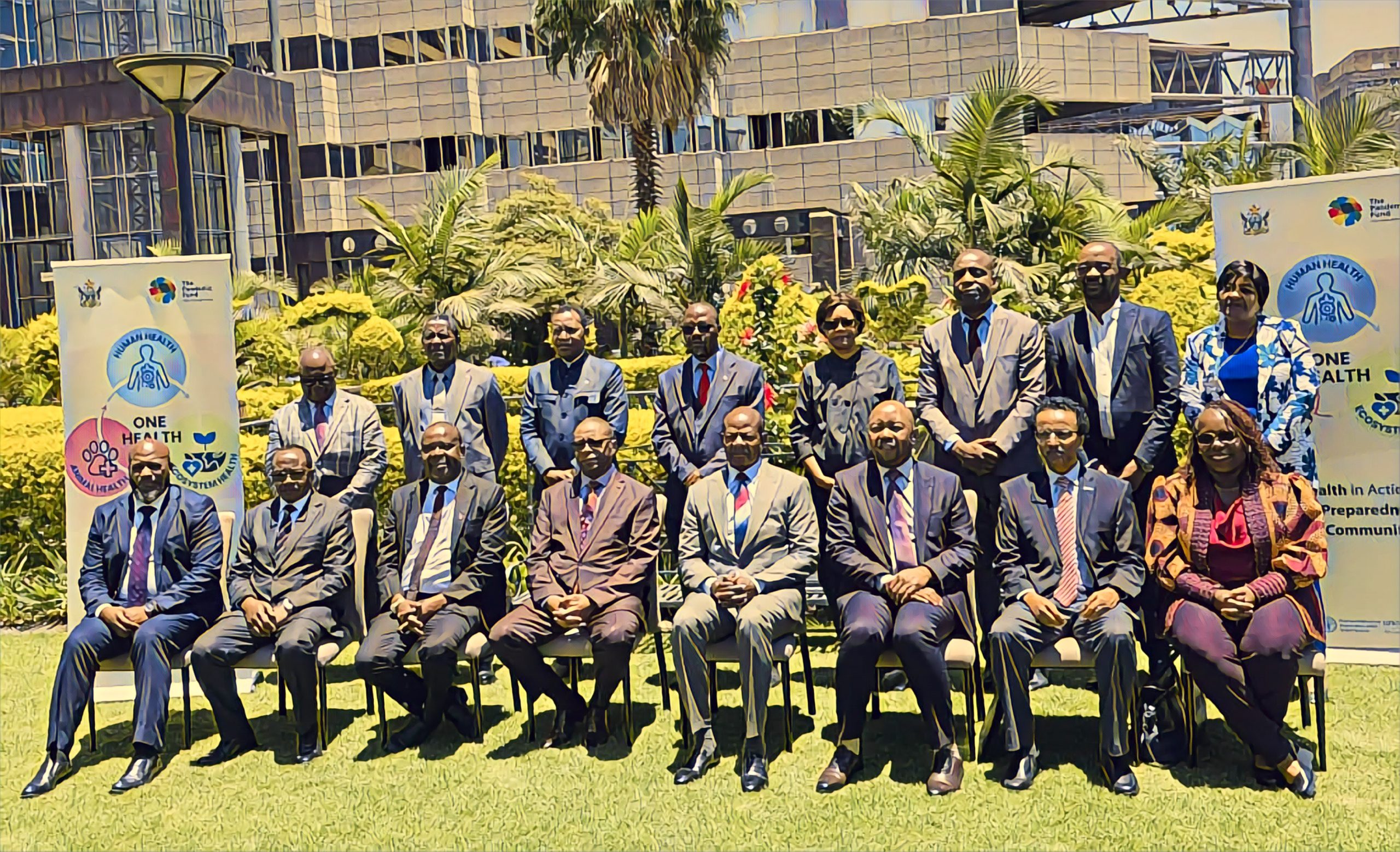
Officials launched the three-year project, which runs through 2028, in Harare on Oct. 27. It will also draw $49 million in partner co-financing and $91.8 million in government co-investment, the bank said in a statement Monday.
The government leads the effort. However, the African Development Bank Group, the U.N. Food and Agriculture Organization and UNICEF will carry it out alongside national ministries and other partners.
What the Pandemic Fund project covers
The grant targets five areas. First, it will expand surveillance through digital tools, automated weather stations, social listening and community feedback, and it aims to set up five public health emergency operations centers.
It also aims to upgrade 25 laboratories, five national and 20 subnational, to boost rapid diagnostics, antimicrobial resistance testing and genomic sequencing. Meanwhile, more than 10,000 professionals will receive training in disease surveillance, emergency preparedness and risk communication.
The project will further fund annual simulation exercises and stronger risk assessments at points of entry. Finally, organizers expect community monitoring, multilingual campaigns and digital learning platforms to reach up to 2 million people.
Communities at the center
Health Minister Douglas Mombeshora said protecting public health is a core national development priority. Since health threats cross borders, he added, preparedness requires a whole-of-government, One Health approach linking human, animal and environmental health.
UNICEF Zimbabwe Representative Etona Ekole stressed that the first signs of an outbreak often appear “not in a laboratory, but in a community.” So preparedness must also ensure families get trusted information and keep access to essential services when emergencies strike, Ekole said.
Eyerusalem Fasika, the bank’s country manager for Zimbabwe, called the grant a shift from reactive containment to proactive protection. Also, FAO’s Patrice Talla noted that many pathogens with pandemic potential emerge where people, animals and the environment meet.
Separately, Zimbabwe is one of eight countries in a roughly $35.8 million Southern Africa Pandemic Fund program run by the World Health Organization. Hosted by the World Bank, the Pandemic Fund supports pandemic prevention and preparedness, particularly in low- and middle-income countries.
