

KEY POINTS
- Zimbabwe is reviewing its 1961 Mines and Minerals Act to strengthen environmental and community protections.
- Residents in Shurugwi have reported dust pollution, damaged land and concerns about water contamination.
- Critics say stronger enforcement and an independent mining oversight system will be necessary.
Zimbabwe is preparing reforms to its mining laws following growing public concern about environmental damage, pollution and the impact of gold extraction on communities.
The proposed changes are intended to replace the country’s 1961 Mines and Minerals Act, which has governed the mining sector for decades. However, the planned overhaul comes amid criticism from residents and environmental activists who say mining activities have damaged land and affected living conditions.
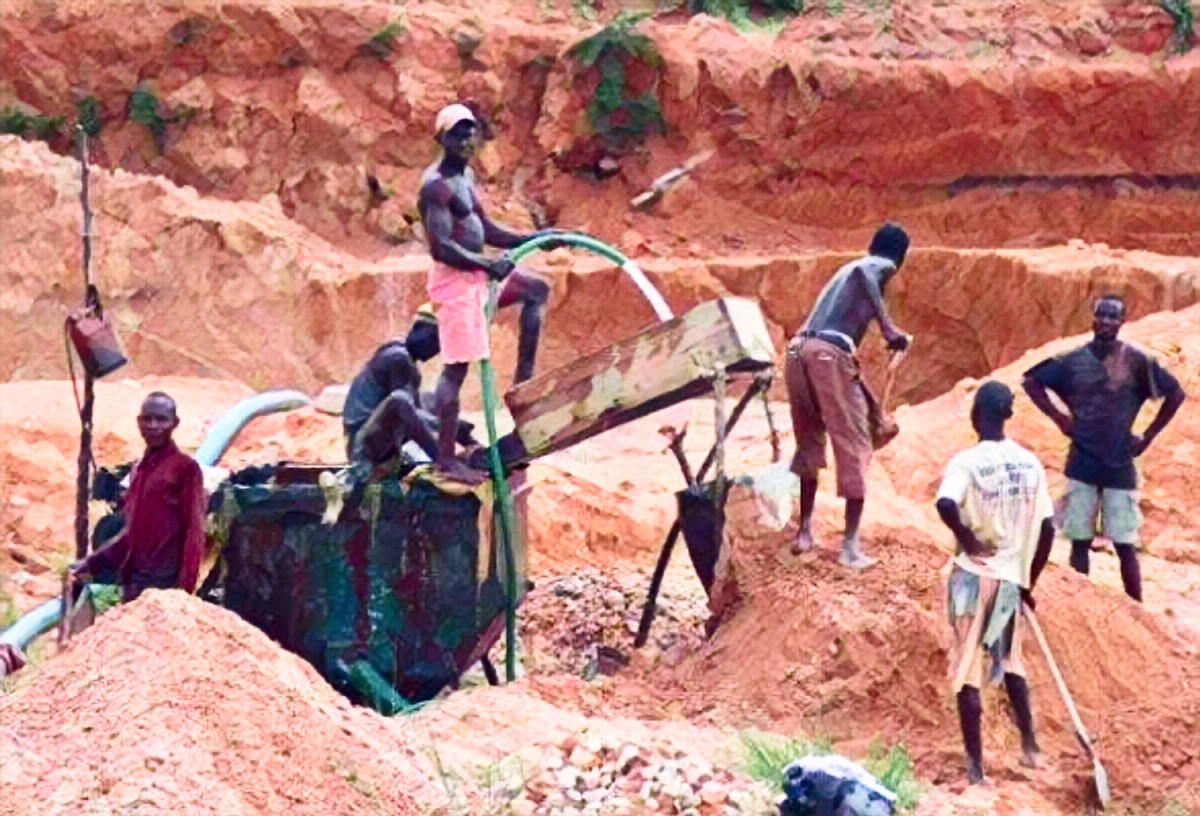
The concerns have been particularly visible in Shurugwi, a mining town in central Zimbabwe where once-green hills have been transformed by open pits and extensive extraction activities. Residents told Agence France-Presse that dust from mining operations enters homes, while rainwater carries chemicals used in gold processing towards nearby rivers.
One resident, Bright Mavedzenge, said dust had become so widespread that it reached household food despite efforts to keep windows closed. A local nurse also reported an increase in patients with respiratory complaints, including some cases involving concerns about silicosis.
Proposed law introduces environmental safeguards
The proposed legislation includes measures intended to improve environmental protection and strengthen oversight of mining operations. Among the provisions is a requirement for environmental impact assessments before mining licences are issued. The bill also proposes an environmental restoration fund to support the rehabilitation of land affected by mining.
Other planned changes include a digital registry of mining titles and the establishment of a mining court. These measures are intended to improve transparency, make licence information easier to access and provide a framework for resolving disputes.
The bill also contains provisions relating to strategic minerals, reflecting the government’s wider interest in increasing national control over valuable natural resources. Legal expert James Tsabora told AFP that the proposed legislation went further than the existing law in addressing community and environmental protections. However, the proposed reforms have not received universal support.
Activists question enforcement and independence
Resource activist Farai Maguwu raised concerns about the proposed composition of the mining board, arguing that government dominance could weaken its independence. Legal watchdog Veritas has also questioned provisions that it says could create conflicts of interest and give ministers excessive discretion over strategic minerals.
In Shurugwi, residents say the damage may already be extensive. They have raised concerns about the loss of grazing land, the effects of blasting on homes and water reservoirs, and plans to exhume nearly 150 graves to make way for mining operations. Zimbabwe Chenxi Investments, the company operating in the area, told AFP that it held valid environmental impact assessment certificates and underwent regular government inspections.
The company’s general manager, Simon Karimanzira, said it watered roads to control dust, monitored groundwater and planted 20,000 indigenous trees in 2025. He also said residents displaced by its operations received compensation. Nevertheless, the dispute highlights the challenge facing Zimbabwe’s mining reforms. Stronger laws will only improve conditions if regulators can enforce them consistently and affected communities have access to effective remedies