

KEY POINTS
-
ZANU-PF selects Mnangagwa as its candidate for the 2030 election.
-
The party wants his presidency to extend beyond its scheduled 2028 end.
-
The proposed extension raises questions about Zimbabwe’s constitutional process.
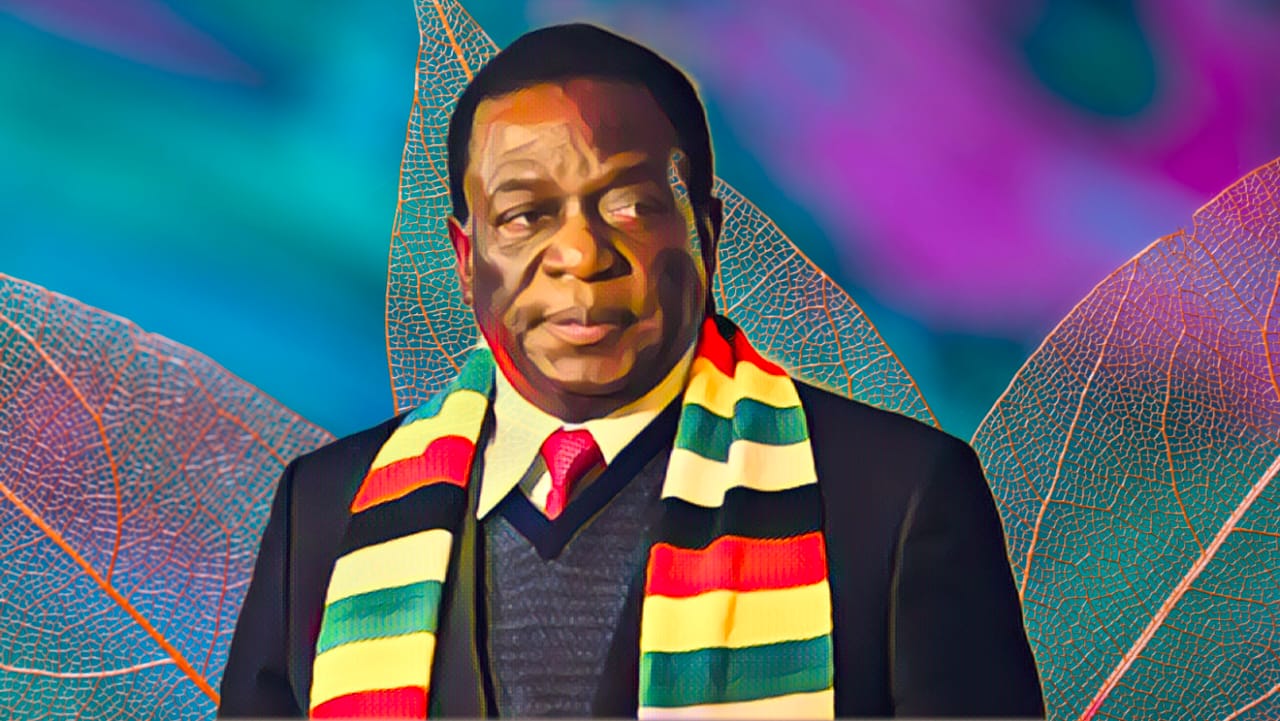
Zimbabwe’s ruling party has selected President Emmerson Mnangagwa as its candidate for the 2030 presidential election, signalling its support for extending his leadership beyond the constitutionally scheduled end of his current term in 2028.
The Zimbabwe African National Union-Patriotic Front (ZANU-PF) unanimously adopted the decision at its annual conference, according to a statement from the presidency published on Sunday, October 18, 2026.
The move sets the stage for a potential extension of Mnangagwa’s presidency, although the proposed change to the leadership timeline raises questions about the country’s electoral and constitutional arrangements.
ZANU-PF backs Mnangagwa to remain in office
The presidency announced that the ruling party had resolved to extend Mnangagwa’s tenure beyond 2028 to 2030.
The decision confirms the party’s intention to keep the 83-year-old leader at the centre of its political plans for the next national leadership contest.
Mnangagwa became president in 2017 after Robert Mugabe was removed from power following a military intervention. He subsequently won the 2018 presidential election and secured another term in 2023.
Under the existing schedule, his current term is due to end in 2028. The ruling party’s latest resolution signals its desire to alter that timeline and retain him as its preferred leader through 2030.
However, the party’s endorsement alone does not establish that the proposed extension has completed all the legal and constitutional steps required to take effect.
Proposed extension raises constitutional questions
The announcement comes amid plans to change Zimbabwe’s electoral arrangements.
According to Bloomberg, the 2030 presidential vote would be conducted by parliament under the country’s revised electoral system.
The proposed arrangement differs from a direct presidential election in which citizens cast ballots for their preferred candidates. Its implementation and legal basis will be important factors in determining how the next leadership contest is conducted.
The ruling party’s decision to back Mnangagwa beyond 2028 also raises questions about the constitutional provisions governing presidential terms and the process required to amend them.
Any extension would depend on the applicable legal framework and the adoption of the necessary measures. The party’s resolution, by itself, does not settle those questions.
Mnangagwa’s political future remains in focus
Mnangagwa has led Zimbabwe since 2017, overseeing a country that has faced persistent economic challenges, including currency instability, inflationary pressures and difficulties affecting household purchasing power.
His administration has promoted efforts to attract investment and expand economic activity, particularly in mining and agriculture. However, economic conditions and the direction of political reforms remain important issues in Zimbabwean public life.
The ruling party’s endorsement indicates that Mnangagwa continues to have the backing of ZANU-PF leadership for its long-term political plans.
Attention will now turn to the legal and political steps needed to implement the proposed extension, as well as reactions from opposition parties and other stakeholders.
2030 succession plans take shape
By naming Mnangagwa as its preferred candidate for 2030, ZANU-PF has signalled that it is preparing to retain him as its leader beyond the end of his current term.
The decision places the future of Zimbabwe’s presidency and the proposed changes to its electoral system at the centre of the country’s political debate.
The key issue will be whether the proposed extension and electoral arrangements can be implemented under Zimbabwe’s constitutional framework. Until the relevant processes are completed, the party’s endorsement should be understood as a political decision rather than confirmation that Mnangagwa’s tenure has formally been extended.
