

KEY POINTS
-
RBZ says Zimbabwe will not rush to abandon the US dollar.
-
Eight economic preconditions will guide the shift to a single-currency system.
-
Foreign currency deposits and existing contracts will continue to be honoured, according to the deputy governor.
Zimbabwe’s central bank has assured businesses and the public that the country will not rush to abandon the US dollar and other foreign currencies, saying the transition to a single-currency system will depend on economic conditions and market readiness.
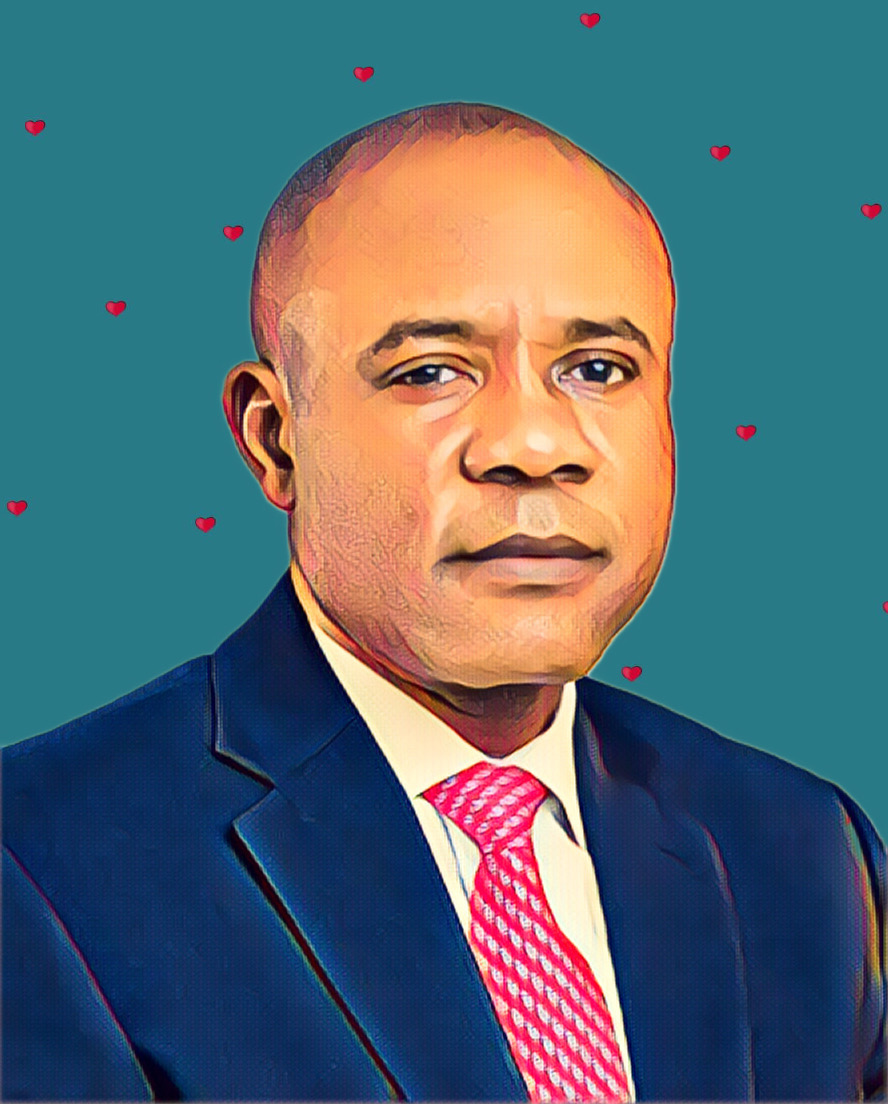
Reserve Bank of Zimbabwe (RBZ) Deputy Governor Dr Innocent Matshe said the government would only proceed with the transition when the necessary conditions had been met.
Speaking at the Pre-Budget Seminar in Bulawayo, Matshe said the central bank and Treasury were committed to a gradual, market-driven process rather than an abrupt change to the country’s monetary system.
He said Zimbabwe needed its own currency to support domestic industries and broader economic activity, but warned that moving too quickly could undermine the process.
“The Reserve Bank is clear about that. There will be no rush into mono-currency. Everything that the Reserve Bank and Treasury will do will be driven by the market,” Matshe said.
Eight conditions will guide transition
The government has been working towards adopting a single-currency system, with Zimbabwe Gold (ZiG) expected to play a central role in the country’s future monetary framework.
However, uncertainty remains among businesses and members of the public over when the transition will take place and how it could affect savings, contracts and everyday transactions.
Matshe said authorities had established eight publicly announced preconditions to guide the process. These conditions will be monitored continuously to determine whether the economy is ready for the change.
The monitoring process is also intended to keep businesses, investors and the public informed about progress towards the proposed monetary arrangement.
The central bank has not indicated that the transition will happen on a fixed timetable regardless of economic circumstances. Instead, Matshe stressed that decisions would be based on market developments and the country’s readiness.
Foreign currency deposits will be protected
Matshe also sought to address concerns that adopting a single currency could lead to the forced conversion of foreign currency deposits into ZiG.
He clarified that the transition would not automatically mean converting money held in US dollars or other foreign currencies into local currency.
“All contracts, all foreign currency accounts will be maintained and honoured going into mono-currency,” he said.
The assurance is important for businesses that depend on foreign currency to pay for imports, settle commercial obligations and conduct international transactions.
It also addresses concerns among individuals and companies holding foreign currency savings that their funds could be converted without their consent.
Matshe’s comments indicate that the proposed single-currency system is not intended to cancel existing foreign currency accounts or contractual obligations.
RBZ stresses coordination with Treasury
The deputy governor also emphasised the importance of coordination between monetary and fiscal authorities in maintaining economic stability.
He said alignment between the Reserve Bank and Treasury had played a role in efforts to stabilise the economy and would remain important as Zimbabwe pursues its longer-term currency objectives.
Monetary policy influences issues such as money supply, interest rates and inflation, while fiscal policy covers government revenue, spending and borrowing. Coordination between the two is important to maintaining confidence in the domestic currency.
Authorities will need to sustain that coordination as they work towards a monetary system in which the local currency can support domestic production and commercial activity.
Zimbabwe’s history shapes currency debate
Zimbabwe adopted a multicurrency system in 2009 after hyperinflation severely weakened confidence in the local currency. The arrangement allowed foreign currencies, particularly the US dollar, to become widely used for payments and business transactions.
The country later reintroduced local currencies while retaining the use of foreign currencies in the economy.
The planned shift to a single-currency system therefore represents a significant change in monetary policy. Its implementation will depend on economic stability, public confidence and the ability of ZiG to function reliably as a means of payment and store of value.
Matshe’s latest comments suggest that the authorities intend to preserve existing foreign currency arrangements while assessing whether the economy is ready for a full transition.