KEY POINTS
-
Zimbabwe’s annual ZWG inflation rose to 4.3% in October.
-
US dollar inflation eased to 3.2%.
-
The monthly poverty line reached ZWG1,354 per person.
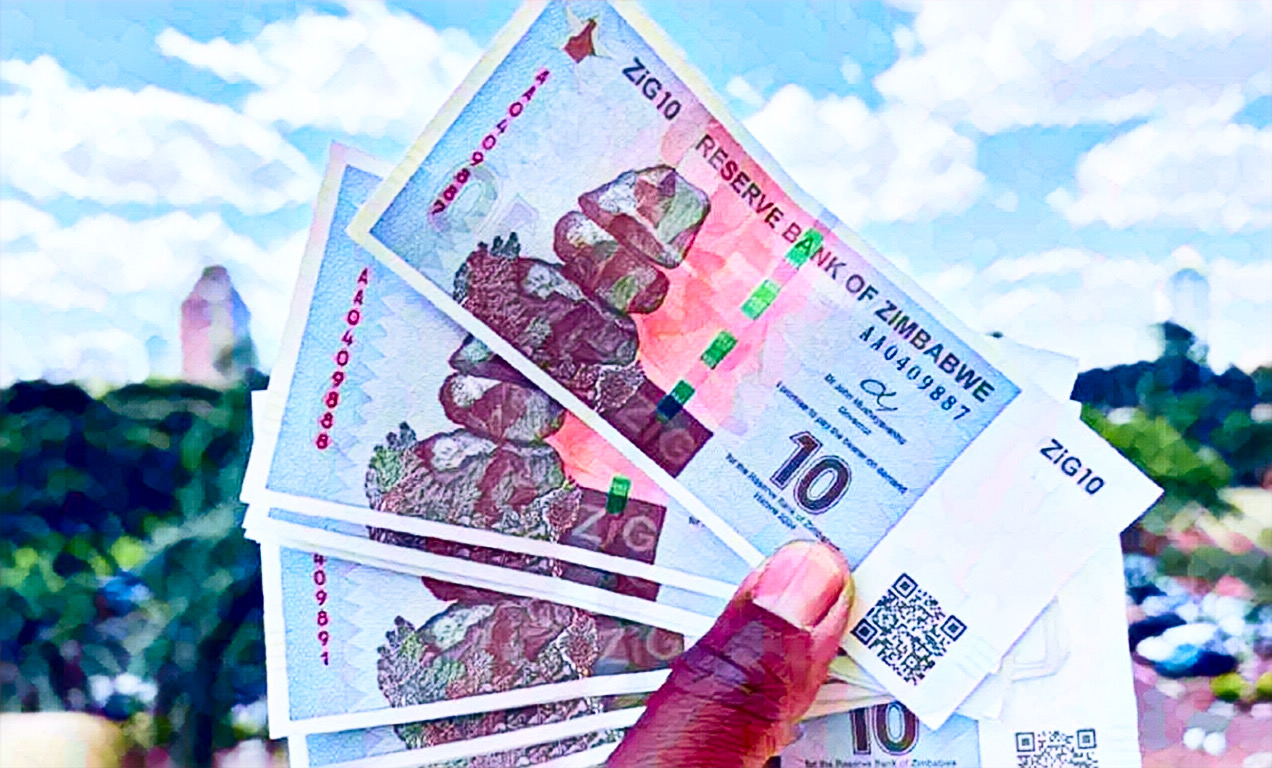
Zimbabwe’s annual inflation rate measured in the local currency, Zimbabwe Gold (ZWG), increased to 4.3% in October 2026, up from 3.7% in September, as rising fuel and transportation costs continued to put pressure on prices.
According to the Zimbabwe National Statistics Agency (ZimStat), the increase represents a rise of 0.6 percentage points in the annual inflation rate. The latest figures suggest that, although inflation remains relatively low compared with previous periods of economic instability, domestic prices continue to face upward pressure.
Fuel and transport costs push prices higher
The increase in inflation has been partly linked to higher fuel prices, global crude oil movements and logistics expenses. Rising transportation costs can affect the prices of goods across the economy, particularly products that depend on road transport for distribution.
Higher fuel and delivery costs can also increase operating expenses for businesses, potentially leading some companies to pass additional costs on to consumers.
Despite the latest increase, ZimStat reported that the average monthly inflation rate measured in ZWG between January and October 2026 was 0.4%. This was lower than the average monthly rate of 1.2% recorded between January and December 2025.
The figures indicate that price increases have generally moderated compared with the previous year, even as inflation has begun to rise again in recent months.
Exchange-rate concerns remain
Zimbabwe’s official exchange rate has remained around ZWG25 to ZWG27 per US dollar. However, some businesses reportedly continue to use parallel-market rates of between ZWG32 and ZWG33 per dollar when pricing goods.
The difference between the official and parallel-market rates reflects continuing concerns among some businesses about the local currency’s value and the cost of replacing imported goods.
Where businesses rely on foreign currency to purchase supplies, exchange-rate uncertainty can influence their pricing decisions. This may contribute to differences in prices across markets, depending on how individual traders source goods and calculate their operating costs.
Maintaining confidence in the local currency and limiting exchange-rate pressures remain important challenges for Zimbabwe as authorities seek to sustain price stability.
US dollar inflation declines
In contrast to the increase in local-currency inflation, Zimbabwe’s annual inflation rate measured in US dollars eased to 3.2% in October, down from 3.5% in September.
ZimStat calculated the figure using the all-items US dollar Consumer Price Index. The decline suggests that annual price increases measured in dollars moderated during the month, even as inflation measured in ZWG moved in the opposite direction.
The difference between the two measures highlights how inflation trends can vary depending on the currency used to measure prices in an economy where both local and foreign currencies influence transactions.
Poverty threshold rises to ZWG1,354
ZimStat also reported that Zimbabwe’s Total Consumption Poverty Line (TCPL) for one person stood at ZWG1,354 in October 2026.
The poverty line represents the minimum income an individual requires to afford a basic basket of food and non-food items. People whose income falls below this threshold are considered unable to meet the minimum consumption requirements measured by the indicator.
The figure provides an indication of the amount needed to cover basic living expenses, although actual household needs vary according to family size, location and individual circumstances.
As Zimbabwe continues to manage inflation and exchange-rate pressures, the relationship between price stability, household purchasing power and the cost of essential goods remains an important economic concern.
